
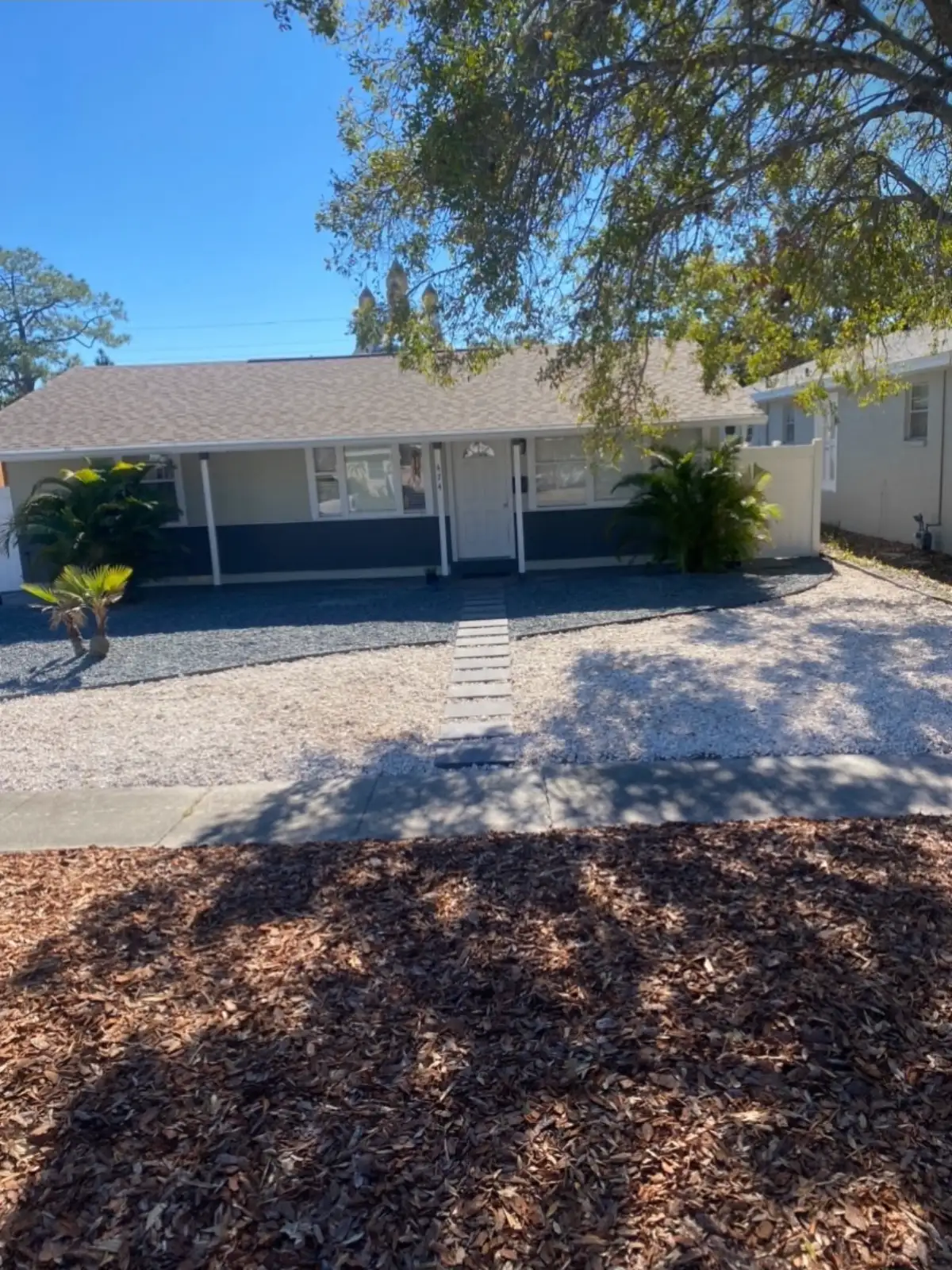
The most important decision in any paver patio project in St. Petersburg is the base preparation, not the pavers themselves. Florida's sandy soil shifts when it gets saturated, and Pinellas County gets 50 or more inches of rain per year. A properly compacted limerock base with the right depth prevents settling, cracking, and uneven surfaces that plague patios built on shortcuts. Choose the right base, and your patio will look the same 10 years from now as it does the week it is installed.
May is the ideal time to start planning a paver patio in St. Petersburg. You are ahead of the summer rainy season, which means the base excavation and compaction can happen during drier conditions. Most patio projects take 3 to 7 days depending on size, so a project that starts in mid-May wraps up before the heavy afternoon thunderstorms kick in around mid-June. That gives you a finished outdoor space just in time for summer entertaining.
Choosing the Right Paver Material for Florida
Not every paver material works equally well in our climate. The combination of intense UV exposure, 90-plus degree surface temperatures, salt air within a few miles of the Gulf, and torrential rain events eliminates some options and makes others the clear winner for different situations.
Concrete Pavers
Concrete pavers are the most popular choice in St. Petersburg for a reason. They run $12 to $18 per square foot installed, come in dozens of colors and patterns, and handle Florida weather well. Modern concrete pavers use through-body color (the pigment runs all the way through, not just on the surface) so they do not fade as quickly under UV exposure. They are strong enough for driveways and pool decks alike.
The one downside is heat. Concrete absorbs and holds heat, so a dark-colored concrete paver patio will be noticeably hot underfoot on a July afternoon. If your patio will be in full sun and used barefoot (around a pool, for example), choose lighter colors. Gray, tan, and sandstone tones stay 10 to 15 degrees cooler than charcoal or dark brown.
Travertine Pavers
Travertine is natural stone and the premium choice for St. Petersburg patios and pool decks. It runs $18 to $25 per square foot installed. The major advantage in Florida is heat: travertine stays significantly cooler than concrete in direct sun because of its natural porosity. The stone absorbs less heat and dissipates it faster.
Travertine also handles salt exposure better than concrete, which matters for properties on Treasure Island, St. Pete Beach, and the barrier islands where salt spray is a daily reality. The drawback is that travertine requires periodic sealing (every 2 to 3 years) to maintain its appearance and prevent staining from organic matter like fallen leaves and pollen.
Brick Pavers
Clay brick pavers have an old-Florida aesthetic that works well with bungalows and historic neighborhoods around downtown St. Pete and the Old Northeast. They run $14 to $22 per square foot installed. Brick offers excellent color retention since the color is fired into the clay during manufacturing.
Brick is slightly more prone to chipping than concrete pavers, and the surface can get slippery when wet if it develops algae or moss in shaded areas. For high-traffic areas or pool surrounds, concrete or travertine is usually a better fit. For walkways, front entries, and design accent borders, brick pavers add character that manufactured products cannot match.
Permeable Pavers
Permeable pavers deserve mention because of Florida's stormwater regulations. These pavers are designed with wider joints or a porous surface that allows rainwater to filter through the paver layer and into the ground below instead of running off into the street and storm drain system. Pinellas County is increasingly encouraging permeable paving for new construction and major renovations.
If your patio project increases the impervious surface area on your lot beyond a certain threshold, you may need to address stormwater management as part of the permit process. Permeable pavers can satisfy this requirement without the need for a separate drainage solution like a French drain or retention area. They cost about 10 to 20 percent more than standard concrete pavers, but the savings on separate drainage work often offset the difference.
Base Preparation in Pinellas County Sand
This is where patio projects in St. Petersburg either succeed or fail. Most of Pinellas County sits on fine sand that drains fast but compacts poorly. Without a proper base, pavers will shift, settle unevenly, and develop gaps within a year or two.
The Right Base Stack for Sandy Soil
A professional paver installation in our area should include this base from bottom to top:
- Excavation: Remove 8 to 10 inches of existing soil. This accounts for the base material, sand setting bed, and paver thickness. The subgrade should be graded to slope away from the house at a minimum of 1 percent (1/8 inch per foot).
- Compacted limerock base: 4 to 6 inches of crushed limerock, installed in 2-inch lifts and compacted with a plate compactor between each lift. Limerock is the standard in Florida because it locks together when compacted and creates a stable foundation in sandy soil. Recycled concrete can substitute in some cases but does not compact as cleanly.
- Bedding sand: 1 inch of coarse concrete sand, screeded to a uniform depth. This is the setting layer that the pavers sit on. It should be level to within 1/8 inch across the entire area.
- Pavers and joint sand: Pavers are laid in the chosen pattern, cut to fit edges, and then polymeric sand is swept into the joints. Polymeric sand hardens when activated with water, locking the pavers together and preventing weed growth and ant intrusion.
- Final compaction: The entire surface gets a final pass with a plate compactor (with a rubber pad to prevent scratching) to seat the pavers into the bedding sand.
Shortcuts on the base are the single most common reason for patio failures in Florida. Skipping the limerock, using only 2 inches instead of 4 to 6, or failing to compact in lifts will show up as settling and unevenness within 12 to 18 months. The fix at that point is pulling up the pavers, rebuilding the base correctly, and reinstalling, which costs more than doing it right the first time. For details on our base prep methods and paver options, see our hardscaping and paver installation page.
Drainage Is Not Optional in Florida
Every paver patio in St. Petersburg needs a drainage plan. Summer thunderstorms routinely dump 1 to 3 inches of rain in under an hour. If the patio does not slope away from the house, or if the surrounding yard drains toward the patio instead of away from it, you will end up with water pooling against the foundation or flooding the patio surface.
- Slope the patio away from the house at a minimum 1 percent grade. This is built into the base during excavation, not added after the fact.
- Install a channel drain along the house-side edge of the patio if it abuts the foundation. A linear channel drain catches water before it reaches the slab and diverts it to a discharge point in the yard.
- Grade the surrounding landscape to prevent yard runoff from flowing across the patio. If the yard slopes toward the patio, a shallow swale or French drain on the uphill side intercepts water before it reaches the paver surface.
- Consider a dry well if the patio is in a low spot where water naturally collects. A dry well is a buried infiltration chamber that accepts runoff and lets it percolate into the sandy subsoil. In Pinellas County sand, dry wells work well because the drainage rate of the underlying soil is fast.
If your property has existing drainage challenges -- standing water after rain, erosion along the foundation, or soggy areas in the yard -- it is smarter to address those as part of the patio project rather than as a separate job later. We often combine patio installations with retaining walls or drainage corrections in a single project to save on mobilization costs.
Permits and HOA Considerations in Pinellas County
In the City of St. Petersburg, a paver patio on grade (not elevated) typically does not require a building permit if it is at or below the existing grade level and does not alter the drainage patterns of the property. However, there are exceptions that frequently apply:
- Setback encroachment: If the patio extends within 5 feet of a side or rear property line, you may need a variance or at minimum a review by the building department.
- Stormwater impact: Large patio projects that significantly increase impervious surface area may trigger stormwater management requirements. This is more common for commercial properties but can apply to residential projects on smaller lots.
- Flood zone properties: Many St. Petersburg properties, especially near Tampa Bay, Boca Ciega Bay, and the Gulf beaches, sit in FEMA flood zones. Any site work that changes grading in a flood zone may require additional review.
- HOA restrictions: If you live in a community with a homeowners association, check for hardscape material, color, and size restrictions before finalizing your design. Some HOAs require architectural review board approval for exterior changes.
Your contractor should handle permit research and applications as part of the project. If someone tells you "no permit needed" without checking your specific lot and location, that is a warning sign. Every property is different, and the cost of resolving a code violation after the fact is far higher than pulling a permit upfront.
Realistic Costs and Timeline
For a typical residential paver patio in the St. Petersburg area, expect these ranges:
- 200 to 300 sqft patio (entry-level): $2,400 to $7,500 depending on material. This is a standard backyard patio large enough for a table and four chairs.
- 400 to 600 sqft patio (mid-range): $4,800 to $15,000. Enough for a dining area plus a lounge zone with a fire pit or seating area.
- 800-plus sqft patio (large): $9,600 to $20,000-plus. Full outdoor living spaces with multiple zones, built-in seating, or integration with a pool deck.
Timeline for most residential patios is 3 to 7 days of on-site work. Larger or more complex projects with retaining walls, fire pits, or custom patterns can run 2 to 3 weeks. Material lead times are usually 1 to 2 weeks after design approval. For a detailed breakdown of every landscaping cost in our area, read our full pricing guide for St. Petersburg.
Design Tips That Work in Florida
A few practical design considerations specific to our climate that most homeowners do not think about until it is too late:
- Plan for shade. An unshaded patio in St. Petersburg is uncomfortable from May through October. If you do not have mature trees providing canopy, budget for a pergola, shade sail, or covered structure. The patio itself should be designed with anchor points or footings for a shade structure even if you are not installing one immediately.
- Leave room for landscape beds. Pavers that butt directly against the lawn create a mowing nightmare and look stark. A 12 to 18-inch planting bed between the patio edge and the turf softens the transition and gives you a place for low-maintenance Florida-friendly plants like muhly grass, coontie, or dwarf firebush. Our landscape design team can help with plant selection that complements the hardscape.
- Light it. Low-voltage LED landscape lighting integrated into the patio edges, step risers, or surrounding plantings extends your usable hours and adds safety. Run conduit during the base prep phase -- adding lighting after the pavers are set means cutting into finished work.
- Think about furniture load. Heavy outdoor kitchens, built-in grills, and fire pits need a reinforced base section with thicker limerock and possibly a concrete footer underneath. Communicate these plans to your contractor before base prep begins, not after.
When to Start Your Patio Project
The best time to build a paver patio in St. Petersburg is October through May, during the dry season. Base compaction is more reliable when the soil is not saturated, and there are fewer weather delays from afternoon thunderstorms.
That said, patios can be installed year-round in Florida. Summer projects just require more flexibility in scheduling around rain and may take a few extra days. If you are planning a patio for summer entertaining, start the design and material selection process now in May so the installation can begin before the heaviest rain arrives in mid-June.
If you are also considering turf or irrigation work alongside the patio, bundling the projects saves on mobilization and grading costs. Many homeowners combine a patio with a sod installation or sprinkler system update as a single landscape renovation.
Ready to Plan Your Paver Patio?
We design and install paver patios, driveways, walkways, and pool decks across St. Petersburg and Pinellas County. Call 757-634-6562 or get a free estimate to start planning your project.