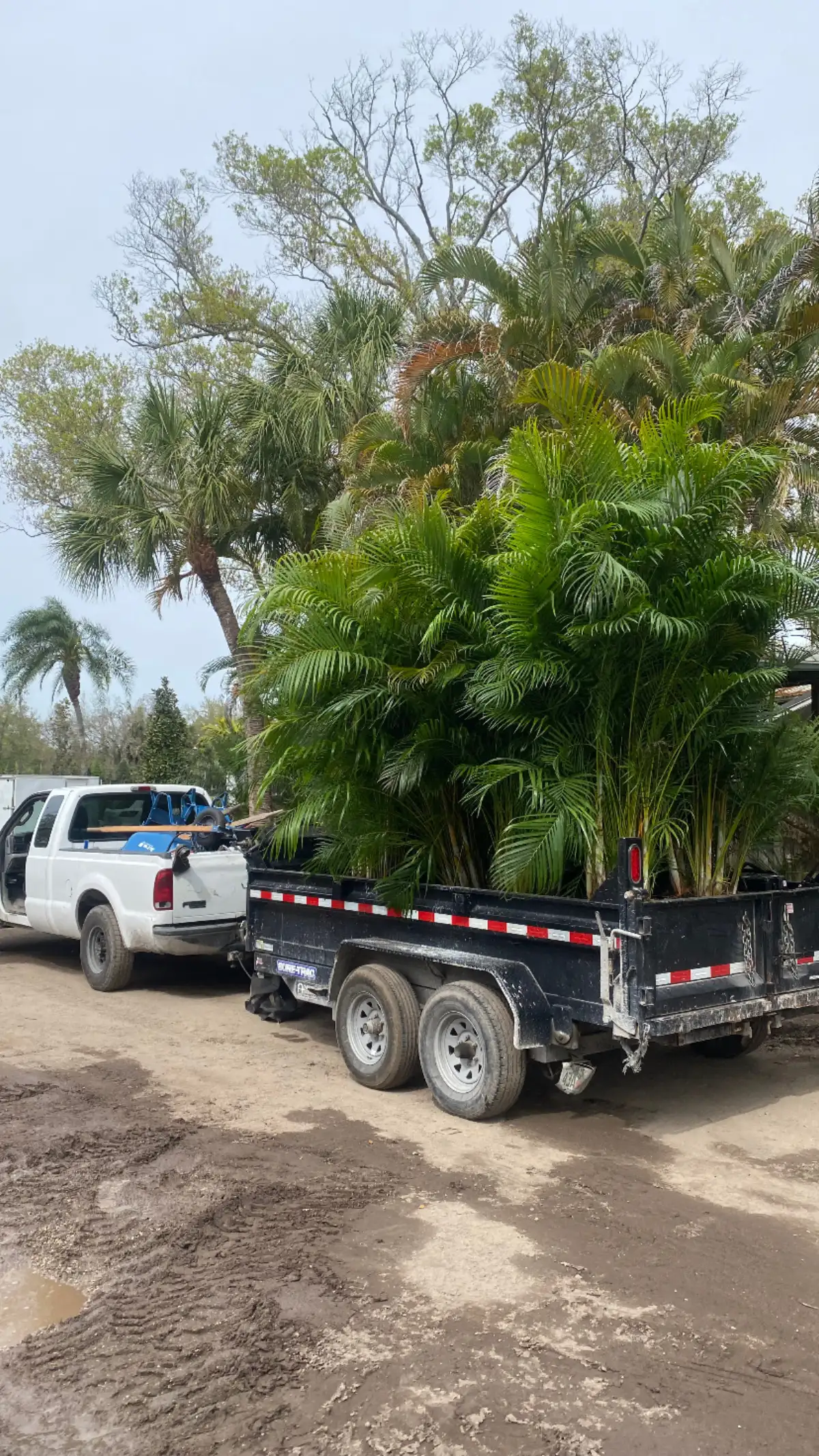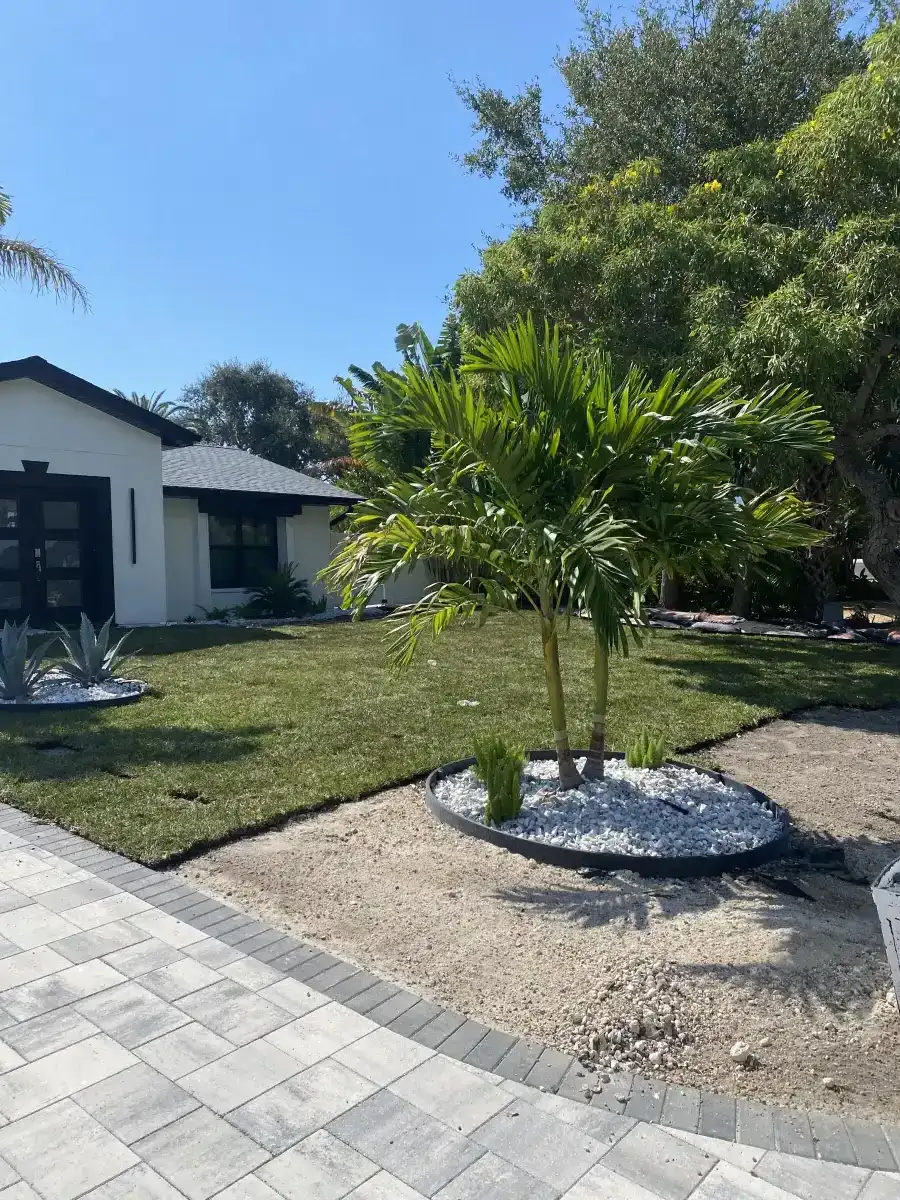
You've invested in a fresh, professional sod installation — now the most important thing you can do is follow the right care routine during the first 60 days. Florida's heat, sandy soil, and seasonal rain patterns create specific challenges for new sod. This guide covers exactly what to do week by week so your lawn establishes strong roots and stays healthy long-term.
Week-by-Week Watering Schedule
Watering is the single most important factor in new sod survival. Too little and the roots dry out before they grip the soil. Too much and you invite fungus, especially in Florida's humid climate. Here's the schedule we recommend for St. Petersburg and the greater Tampa Bay area:
Weeks 1 and 2: Daily Watering
Water every day for 20 to 30 minutes per zone. Water in the early morning — before 10 AM — to minimize evaporation and give the grass time to dry before evening. The goal is to keep the soil underneath the sod consistently moist but not standing in water.
Weeks 3 and 4: Every Other Day
Reduce to watering every other day, but increase the duration to 30 to 40 minutes per zone. This encourages roots to grow deeper into the soil rather than staying shallow near the surface. Deeper roots mean a more drought-tolerant lawn long-term.
Weeks 5 and 6: Every 3 Days
Continue reducing frequency to every 3 days. By now, roots should be gripping the soil — test this by gently tugging a corner of the sod. If it resists, the roots are establishing. If it lifts easily, continue with more frequent watering.
Week 7 and Beyond: Normal Schedule
Transition to the SWFWMD (Southwest Florida Water Management District) watering schedule for your address — typically 2 to 3 days per week. Water deeply (45 to 60 minutes per zone) rather than frequently. Deep, infrequent watering trains roots to grow down, not across the surface.
Important note: Florida's sandy soil drains fast. If you're unsure whether the soil is staying moist, lift a corner of the sod and check. The underside should feel damp but not soggy. If it's dry and crumbly, increase your watering time.
Your First Mow
The first mow is a milestone — it means your sod is establishing. But timing it wrong can set your lawn back significantly. Here's what to know:
- Wait 14 to 21 days after installation before mowing. The roots need time to grip the soil firmly enough that the mower won't pull up the sod.
- Do the tug test: Before mowing, grab a section of sod and pull gently. If it resists firmly and doesn't lift, you're safe to mow. If it comes up, wait another week.
- Set your mower to the highest setting — 3.5 to 4 inches for St. Augustine grass (the most common variety in St. Petersburg). Taller grass shades the soil, retains moisture, and develops stronger root systems.
- Never remove more than one-third of the blade height in a single mowing. Cutting too short (scalping) stresses the grass and can kill sections of your new lawn.
- Keep mower blades sharp. Dull blades tear the grass instead of cutting it cleanly. Torn blades turn brown at the tips and are more susceptible to disease.
Fertilization Schedule for Florida
New sod needs nutrients to establish strong roots and develop deep color, but fertilizing too early can burn shallow root systems. Follow this schedule for the best results in the St. Petersburg area:
- Wait 30 days after installation before applying any fertilizer. The sod farm already fertilized before harvesting — additional fertilizer on shallow roots causes chemical burn.
- First application: Use a Florida-specific blend like 15-0-15 or 16-4-8 (nitrogen-phosphorus-potassium). The higher nitrogen promotes blade growth while potassium strengthens roots for Florida's heat.
- Ongoing schedule: Apply fertilizer every 8 to 10 weeks during the active growing season (March through October). Reduce or skip applications during the dormant season (November through February).
- Iron supplements: For a deep, rich green color without over-fertilizing, apply an iron supplement (chelated iron or milorganite) between regular fertilizer applications. Iron greens up the lawn without stimulating excessive growth.
- No fertilizing November through February: Florida law restricts fertilizer application during parts of the rainy season, and cool-season dormancy means the grass isn't actively growing. Save your money and wait for spring.
Common Sod Care Mistakes in Florida
We see the same mistakes every season. Avoid these and your lawn will establish faster and healthier:
- Overwatering: This is the number one mistake. Soggy soil suffocates roots and creates ideal conditions for fungal diseases like brown patch and gray leaf spot. Overwatered grass is also more attractive to chinch bugs, which thrive on stressed St. Augustine. If you see mushrooms or a sour smell from the soil, you're overwatering.
- Mowing too short: Scalping St. Augustine grass — cutting below 3 inches — exposes the stems to direct sun and can kill entire sections of your lawn. Florida's intense UV makes this even more damaging than in cooler climates. Set your mower high and keep it there.
- Fertilizing too early: Applying fertilizer before roots have established (before day 30) causes root burn. The roots are too shallow to process the chemicals, and you end up with brown, dead patches instead of green growth.
- Walking on new sod: Foot traffic on freshly installed sod pushes the pieces apart, creates uneven surfaces, and delays root establishment. Keep foot traffic off new sod for at least 2 to 3 weeks. If you have pets, use a designated area during the establishment period.
- Not adjusting for seasons: Florida's dry season (October through April) and wet season (May through September) require completely different watering strategies. Running the same irrigation schedule year-round either floods your lawn in summer or starves it in winter.
When to Call a Professional
Most new sod establishes well with proper watering and patience. But some situations need professional attention. Contact a landscaping professional if you notice:
- Brown patches spreading despite proper watering — This could indicate a fungal infection, insect damage (chinch bugs are the most common culprit in St. Petersburg), or a soil drainage issue.
- Sod not rooting after 3 weeks — If the tug test still lifts the sod easily after 21 days of daily watering, there may be a soil contact issue or a problem with the sod itself.
- Fungus or pest damage — Signs include circular dead spots (brown patch fungus), white webbing on the grass in early morning (sod webworm), or rapidly expanding brown areas starting at the edges (chinch bugs).
- Irrigation coverage gaps — Uneven watering is a common cause of patchy establishment. If some areas are thriving while others are drying out, your sprinkler system may need adjustment or additional heads.
At Hound Dog Landscaping, we don't just install the sod and walk away. We're here to help you through the establishment period and beyond. Check our FAQ page for answers to more common lawn care questions, or reach out directly if something doesn't look right with your new lawn.
Need Help With Your Lawn?
Whether you need new sod installation, irrigation repair, or help diagnosing a problem with your existing lawn — we're here to help. Free estimates, no pressure.
Get a Free Estimate