
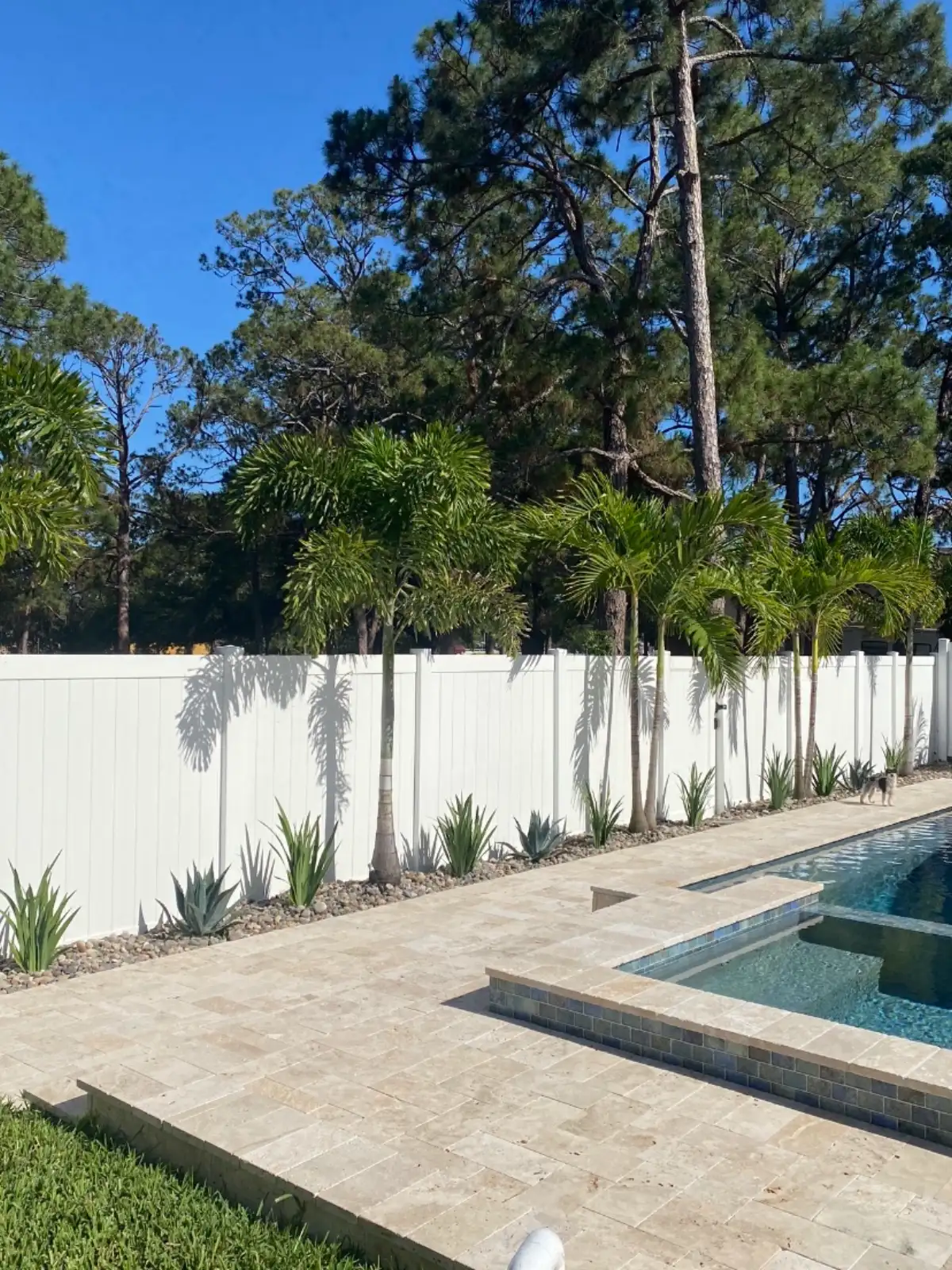
Landscape Beds That Thrive in Florida Heat Without Constant Babysitting
$1,500 to $8,000 depending on size and plant selection. We build beds with Florida-native plants that handle our heat, humidity, and sandy soil. Proper soil prep, drip irrigation, and mulch mean your beds look better every year -- not worse.
Why Most Landscape Beds Fail in St. Petersburg -- and How to Prevent It
The number one reason landscape beds fail in Pinellas County is wrong plant selection. Homeowners pick plants based on how they look at the nursery, not on whether they can survive 95-degree summers, sandy soil with zero organic content, salt air from the Gulf, and SWFWMD watering restrictions.
The second reason is no soil prep. Florida's native sand has almost no nutrients. Planting a $30 shrub in pure sand is planting it in a coffin. The roots cannot hold moisture, cannot access nutrients, and cannot develop the structure needed to anchor the plant through summer thunderstorms.
We solve both problems. Every bed gets soil amendment with composted organic material that retains moisture and provides nutrients. Every plant we install is proven in USDA Zone 10a conditions -- St. Petersburg's specific growing zone. The result is beds that establish within one season and look better every year as the plants mature.
How We Build Landscape Beds That Last
1. Site Assessment and Design
We evaluate sun exposure, soil conditions, existing irrigation, drainage patterns, and your preferences. We create a planting plan showing species, spacing, and mature sizes so you know exactly what the bed will look like in 1 year, 3 years, and 5 years. No surprises when a "small shrub" becomes a 12-foot hedge.
2. Bed Excavation and Edging
We cut clean bed lines, remove existing grass or weeds, and excavate to 6-8 inches. Aluminum or steel edging creates a permanent border between turf and bed that prevents grass creep. This clean separation makes future maintenance dramatically easier and keeps the bed looking defined for years.
3. Soil Amendment
We mix composted organic material into the native sand at a 50/50 ratio for the top 6 inches. This amended soil retains moisture 3 to 4 times longer than pure sand, provides slow-release nutrients, and supports the beneficial microorganisms that healthy roots need. It is the single most important step in Florida bed installation.
4. Plant Installation
Plants are set at proper depth (crown at grade or slightly above), backfilled with amended soil, and watered in thoroughly. We space plants based on mature spread, not nursery pot size. Tight spacing looks full on day one but creates overcrowding problems within 2 years. Proper spacing looks open initially but fills in naturally.
5. Drip Irrigation
We install drip lines on a dedicated irrigation zone for every new bed. Drip delivers water directly to root zones at 1-2 gallons per hour, eliminating foliage wetting that promotes fungal disease in Florida humidity. A drip zone also uses 50 to 70 percent less water than spray heads covering the same area.
6. Mulch Application
2 to 3 inches of pine bark or hardwood mulch over the entire bed. Mulch suppresses weeds, retains soil moisture, moderates soil temperature during Florida summers, and feeds the soil as it decomposes. We keep mulch 3 inches away from plant stems to prevent crown rot -- a common mistake in DIY installations.
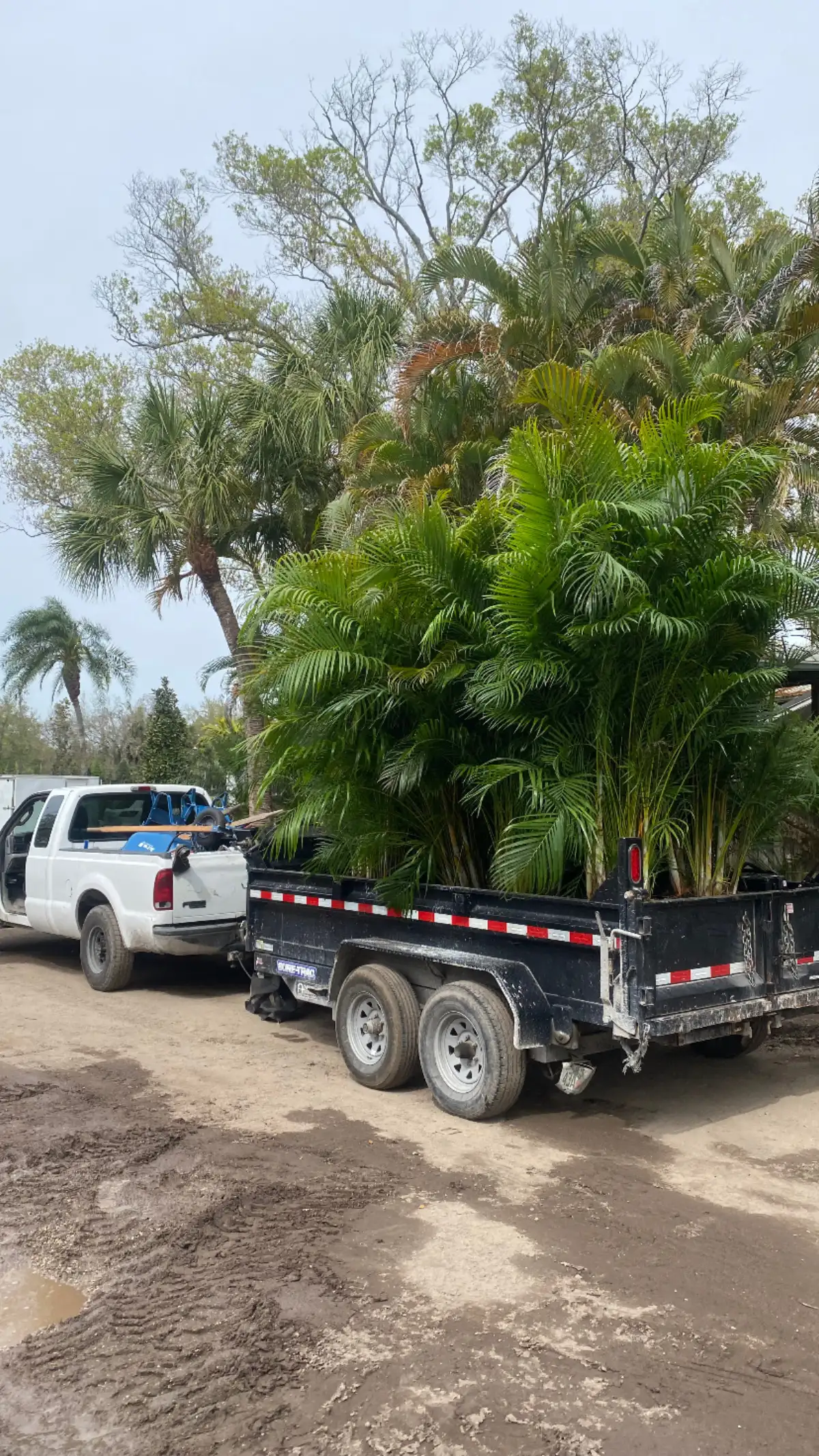
Want Beds That Look Great Without Constant Work?
Florida-native plants on amended soil with drip irrigation. Designed to thrive, not just survive. Free estimates across St. Petersburg and Pinellas County.
Request a Free EstimateLandscape Bed Questions
$1,500-$8,000 depending on size and plant selection. A 100 sqft foundation bed with native shrubs: $1,500-$2,500. A 200-400 sqft bed with mixed planting: $3,000-$6,000. Includes soil prep, plants, edging, and mulch.
Florida-native plants like muhly grass, coontie, Simpson stopper, firebush, beautyberry, and blue daze. They handle heat, humidity, sandy soil, and salt air while needing less water than non-native species.
1-3 days for most residential projects. Single foundation bed: 1 day. Multiple beds around the property: 2-3 days. Includes excavation, soil amendment, planting, edging, and mulch.
Yes, especially for establishment. Drip irrigation is ideal for beds -- targets roots, reduces waste, prevents fungal issues from wet foliage. We install drip zones as part of every bed project.
Once or twice per year in Florida. Our subtropical climate breaks down mulch faster than northern states. We apply 2-3 inches at installation. Refresh in fall and spring to maintain weed suppression and moisture retention.
Build the Complete Yard
Landscape Design
Full-property design that integrates beds, turf, hardscape, and irrigation into a cohesive plan.
Learn More →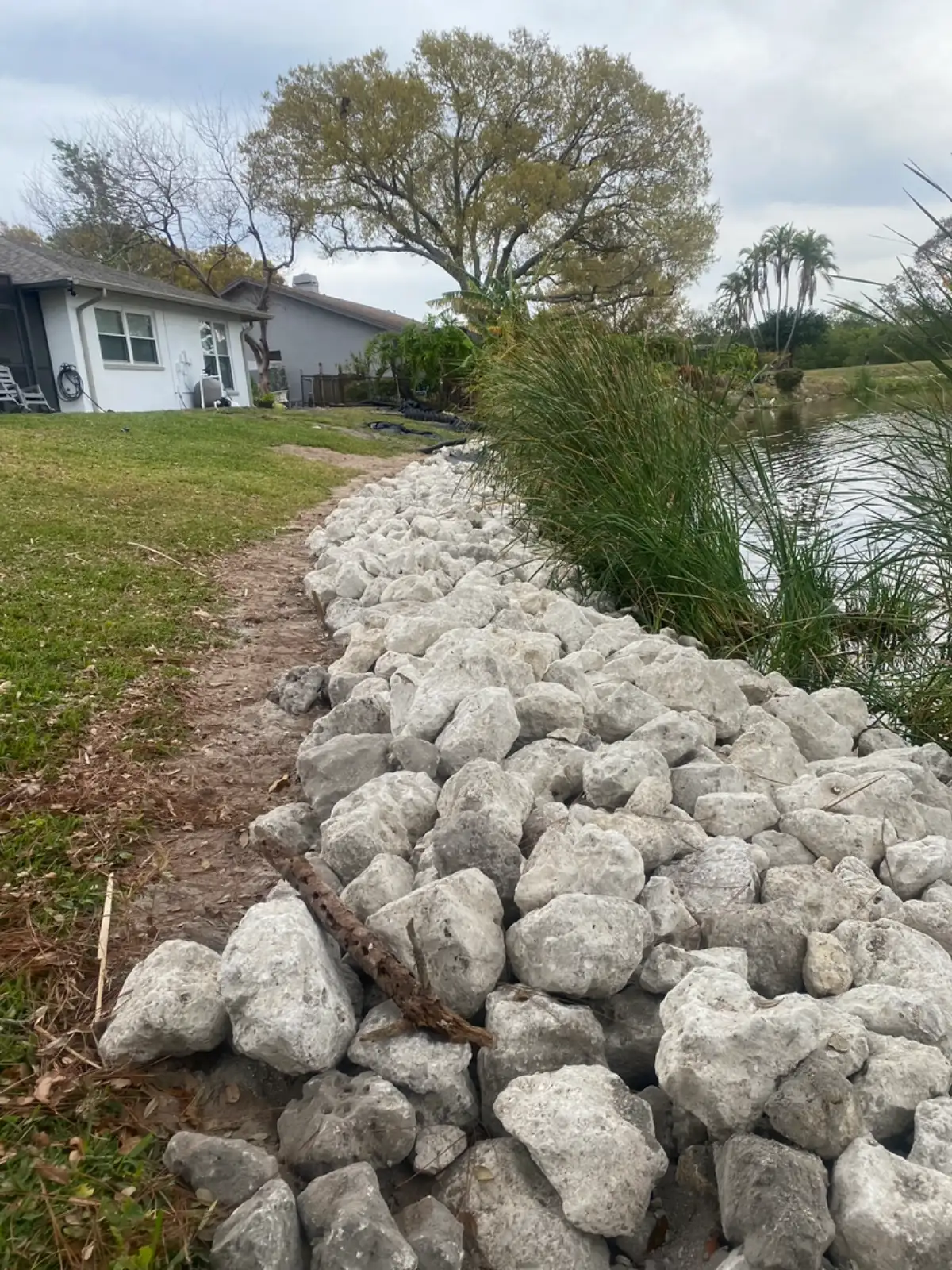
Xeriscaping
Low-water landscape beds using drought-tolerant native plants and decorative rock instead of mulch.
Learn More →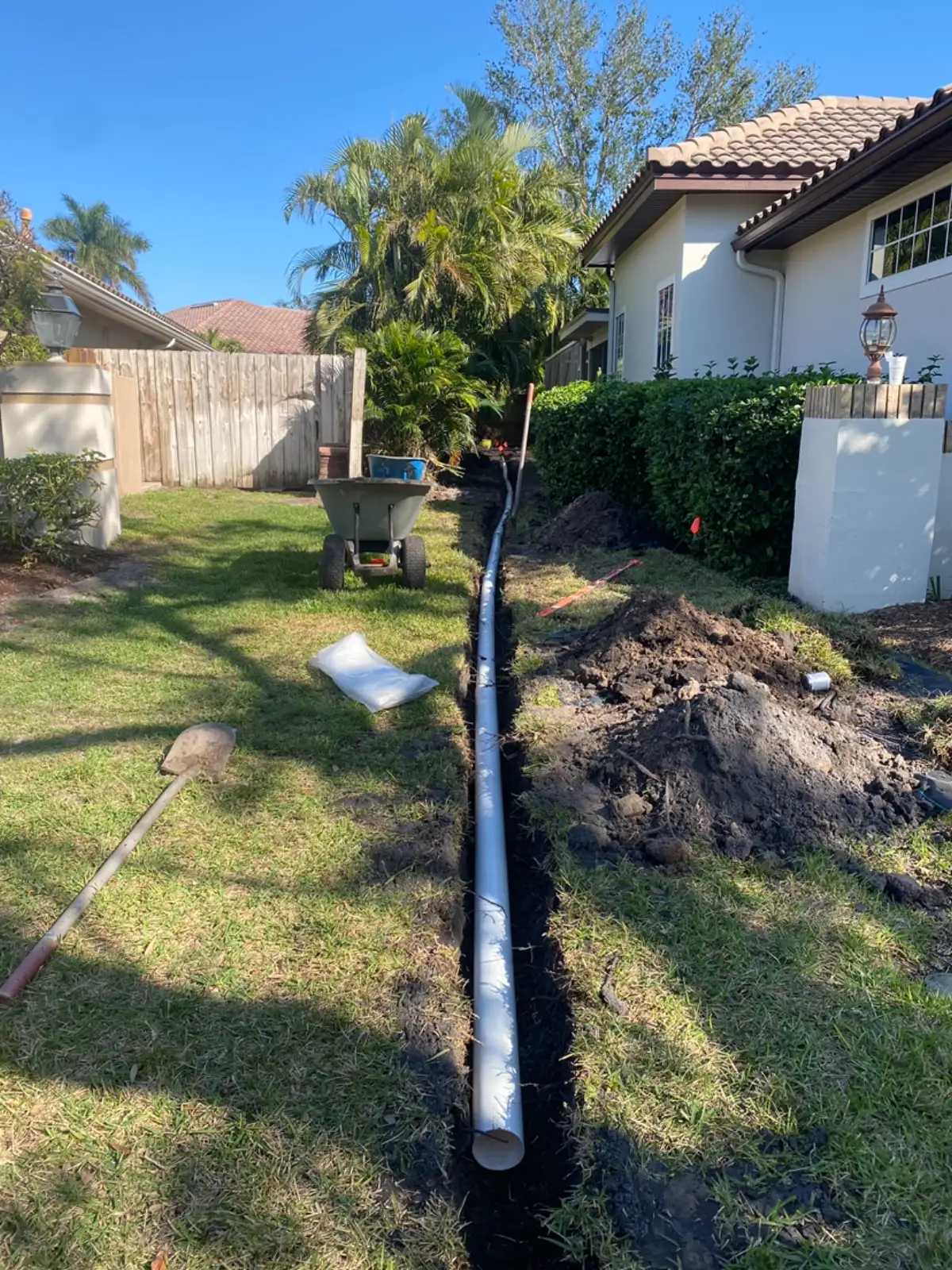
Sprinkler Installation
Full irrigation systems with dedicated drip zones for beds. Keeps everything watered on schedule.
Learn More →