
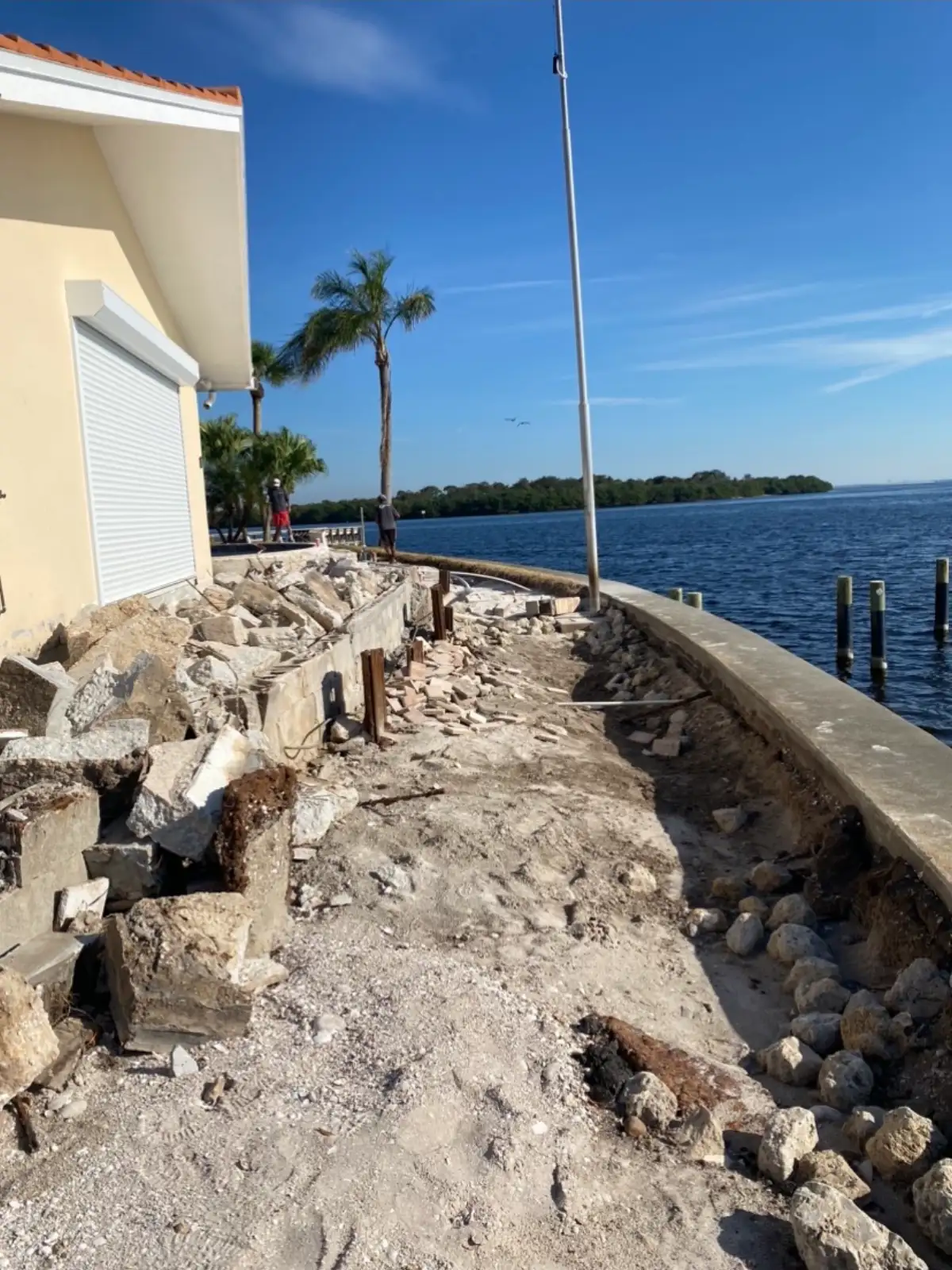
Sea Walls That Protect Your Waterfront Property From Florida Storms
Repair, reinforcement, and new construction for waterfront homes across Pinellas County. A failing sea wall does not just lose you yard space -- it threatens your home's foundation, dock, and property value. We catch problems before they become emergencies.
Pinellas County Has More Waterfront Than Almost Any County in Florida
Pinellas County is a peninsula on a peninsula. Surrounded by Tampa Bay to the east, the Gulf of Mexico to the west, and the Intracoastal Waterway running through the middle, thousands of St. Petersburg homes sit on waterfront lots protected by sea walls.
Most of those walls were built 30 to 50 years ago. Saltwater, tidal fluctuations, storm surge, and Florida's water table create constant stress on these structures. A sea wall that looked fine last year can develop voids behind it during one major storm -- voids that allow your yard to literally sink into the water during the next tidal cycle.
The cost of proactive repair is a fraction of emergency replacement. A $5,000 crack repair and void fill today prevents a $40,000 panel replacement next hurricane season. We inspect, diagnose, and fix sea wall problems before they become property emergencies.
Sea Wall Services for Pinellas County Waterfront Properties
Crack Repair and Sealing
Cracks in sea wall panels allow water infiltration that corrodes rebar and washes soil from behind the wall. We clean, prep, and fill cracks with marine-grade epoxy or polyurethane sealant that bonds to concrete and flexes with tidal movement. Prevents small cracks from becoming structural failures. $150 to $500 per crack depending on size and location.
Void Filling and Soil Stabilization
When soil washes out from behind a sea wall, it creates voids that can cause sections of your yard to collapse. We inject expandable polyurethane foam or pressure-grout cement slurry behind the wall to fill voids, stabilize soil, and restore structural support. $3,000 to $8,000 depending on void size and wall length. This is the most common repair we perform.
Cap Replacement
The concrete cap along the top of a sea wall takes direct impact from weather, foot traffic, and equipment. Cracked or deteriorated caps allow water into the wall structure. We remove damaged caps and pour new reinforced concrete caps with proper slope to shed water. $50 to $100 per linear foot including demolition and forming.
Rip Rap Installation
Large-stone shoreline protection placed at the base of sea walls or along natural shorelines. Rip rap absorbs wave energy, prevents base erosion, and protects the toe of the wall where most structural failures originate. Also used as standalone shoreline stabilization where full sea walls are not needed. $2,000 to $6,000 depending on linear footage and stone size.
Tie-Back Replacement
Steel tie-back rods anchor sea walls to deadman anchors buried in the yard. Corrosion from saltwater eventually weakens these rods, allowing the wall to lean toward the water. We excavate to the anchor points, install new galvanized or stainless steel tie-backs, and re-tension the system. Critical for walls showing any outward lean.
Full Panel Replacement
When repair is no longer viable -- extensive cracking, severe lean, or structural failure -- we replace individual panels or entire wall sections. New concrete panels with proper rebar, tie-backs, and drainage. $500 to $1,200 per linear foot depending on wall height and access. We coordinate all required permits including Florida DEP approvals.
6 Signs Your Sea Wall Needs Attention Now
Sinking Soil Behind the Wall
If the ground near your sea wall has dropped, soil has washed out through cracks or joints. This void will grow with every tidal cycle. Left unfilled, the void can undermine your yard, dock, pool deck, or even your home's foundation.
Visible Cracks or Spalling
Cracks wider than 1/4 inch and concrete flaking off the surface both indicate internal rebar corrosion. Saltwater has reached the steel reinforcement and is expanding it as it rusts, breaking the concrete from within. Early crack sealing stops this cycle.
Leaning or Tilting Sections
Any outward lean means tie-backs have corroded or soil pressure has overcome the wall's design capacity. Even a 1-inch lean is significant. This condition worsens rapidly during storm surge events and should be addressed before hurricane season.
Water Seeping Through Joints
Visible water flow through panel joints during low tide means the wall is no longer sealed. Water carries soil with it every time it flows through, creating voids behind the wall. Seeping joints need to be sealed and the voids behind them need to be filled.
Exposed Rebar or Rusty Stains
Orange rust stains on the concrete surface or visible rebar mean the protective concrete cover has failed. Saltwater corrosion accelerates once rebar is exposed. The structural capacity of the wall decreases as the steel cross-section reduces. Repair before the rebar loses significant strength.
Trees Growing Near the Wall
Tree roots are one of the most common causes of sea wall cracking in Pinellas County. Roots grow into joints and cracks, expanding them over time. Mangrove, Australian pine, and Brazilian pepper are the worst offenders. Root management is part of sea wall maintenance.
Hurricane Season Starts June 1. Is Your Sea Wall Ready?
Free inspections for waterfront properties in St. Petersburg, Gulfport, Treasure Island, and all of Pinellas County. We identify problems and provide repair options before the next storm.
Schedule Free InspectionSea Wall Questions
$5,000-$50,000+ depending on scope. Crack repair: $150-$500 per crack. Void filling: $3,000-$8,000. Cap replacement: $50-$100/linear foot. Full panel replacement: $500-$1,200/linear foot. Early repair is always cheaper than replacement.
Warning signs: sinking soil behind the wall, cracks wider than 1/4 inch, leaning sections, water seeping through joints, exposed rebar, rust stains, or concrete spalling. Any of these warrant an inspection before storm season.
Yes. Sea wall repair and construction require permits from your municipality and Florida DEP for work within the coastal construction control line. Mangrove areas may need Army Corps review. We handle all permit coordination.
Concrete and vinyl: 30-50 years. Steel sheet pile: 25-40 years. Rip rap: essentially permanent. Regular inspection and prompt crack repair extend lifespan significantly. Most failures start years before they become visible.
Hydrostatic pressure, soil erosion behind the wall, saltwater rebar corrosion, storm surge overtopping, and tree root intrusion. Most failures involve multiple factors compounding over years. Regular inspection catches problems early.
Protect Your Entire Property
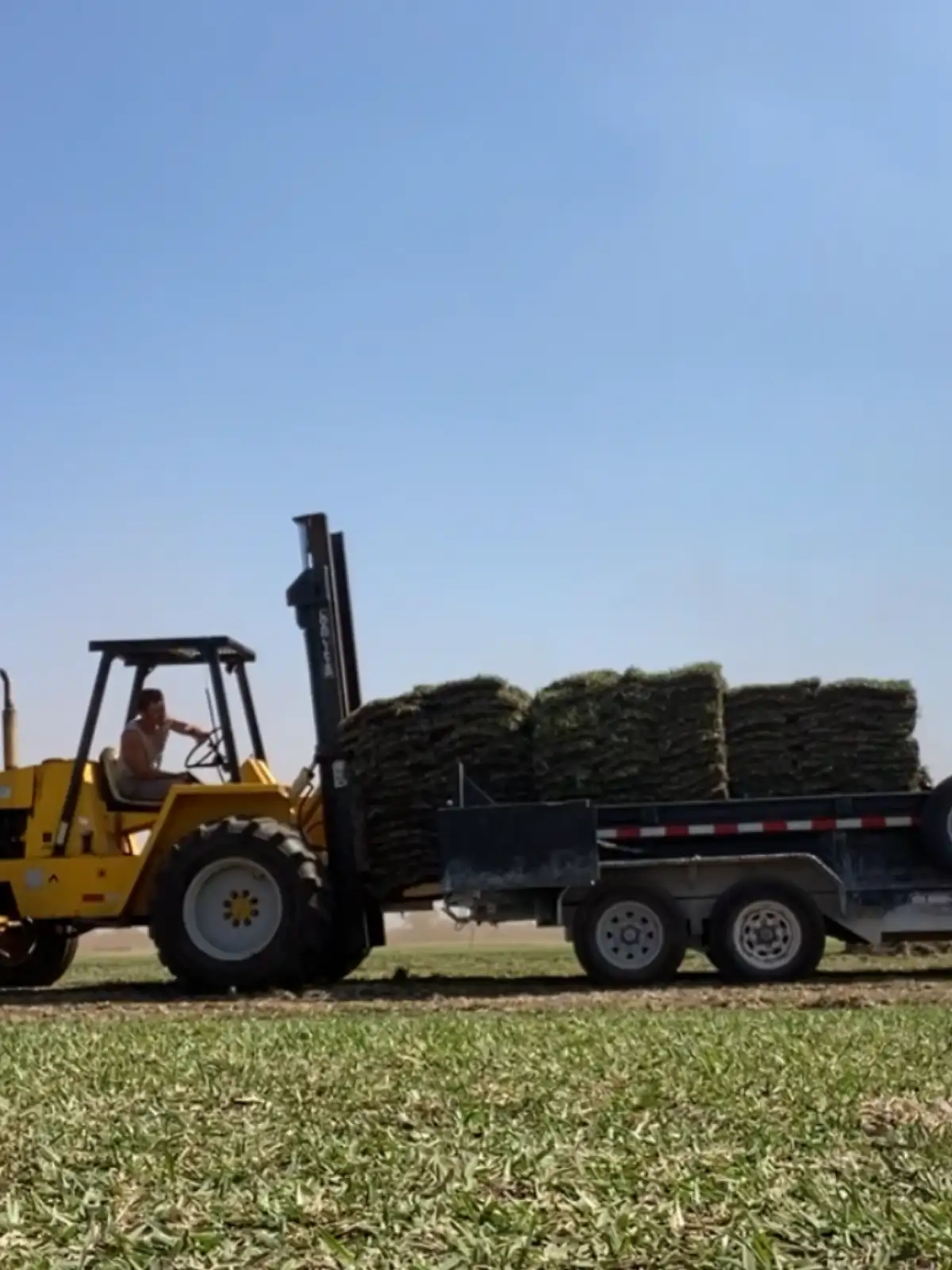
Erosion Control
French drains, regrading, and ground cover stabilization for the rest of your waterfront yard.
Learn More →Retaining Walls
Structural walls for grade changes on your waterfront lot. Every wall includes drainage for Florida rain.
Learn More →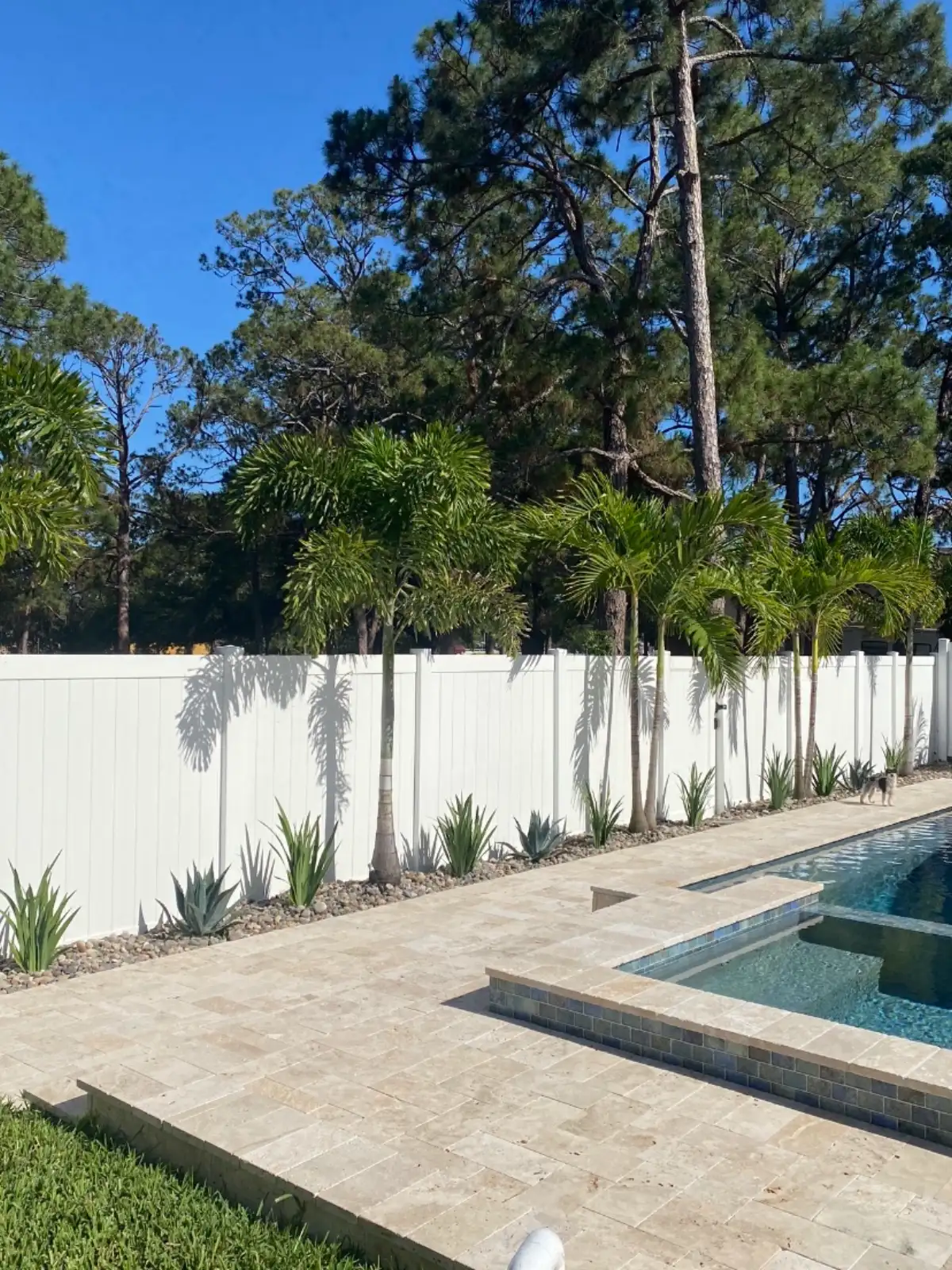
Landscape Design
Salt-tolerant native plantings that stabilize waterfront soil and look beautiful year-round.
Learn More →