
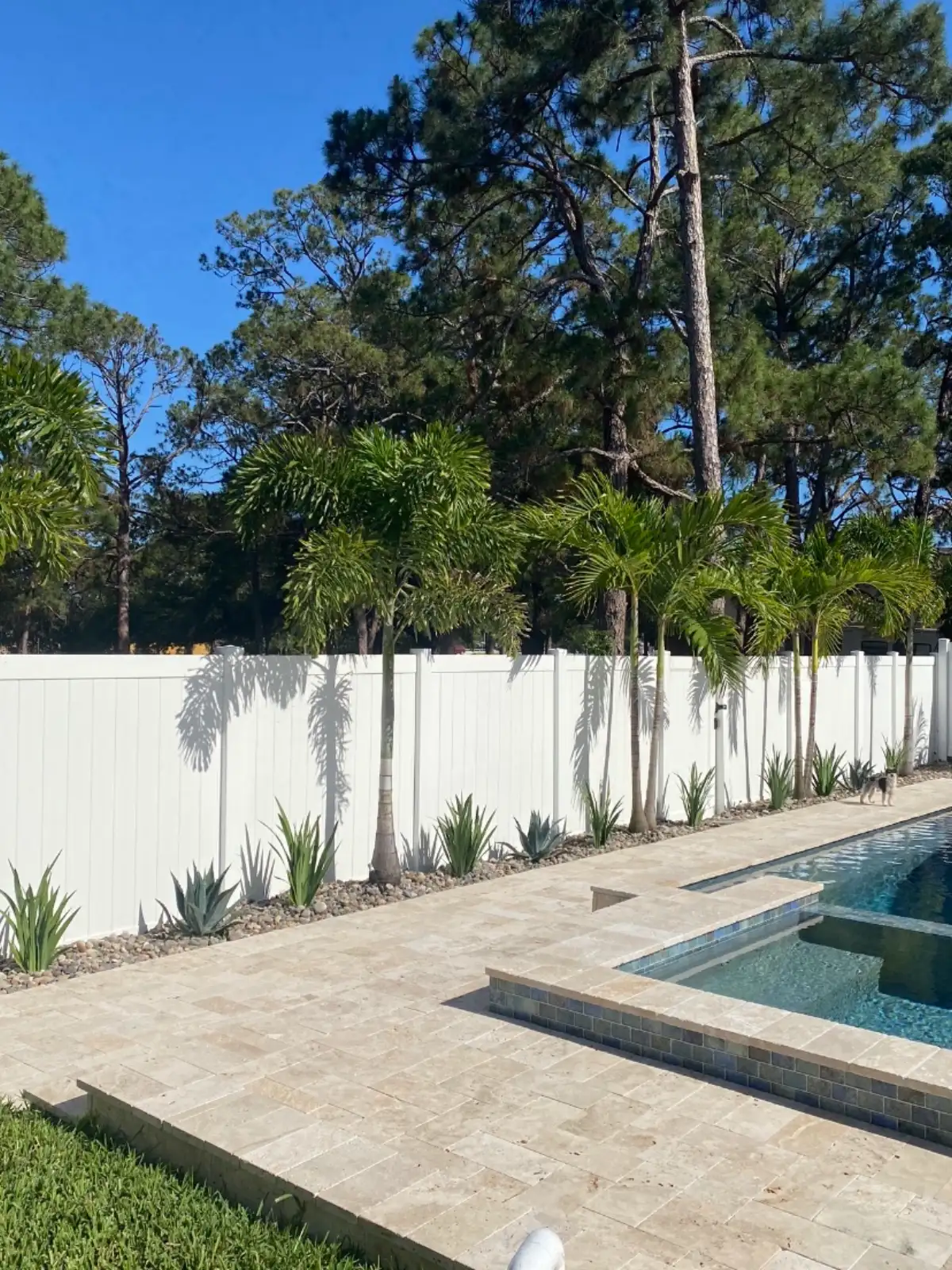
Booking a landscaper becomes easier when the conversation starts with the result you want—not a material list. In St. Petersburg, the same visible problem can have several causes. Thin grass may point to shade, irrigation coverage, soil preparation, traffic, or drainage. A washed-out bed can be a runoff problem as much as a mulch problem.
Use the questions below to turn a broad request into a proposal you can evaluate. They cover the decisions that affect a project—cost, timing, materials, maintenance, and trust—while accounting for summer rain, access, and the way multiple yard services can overlap. Hound Dog Landscaping's landscaper service and St. Petersburg service-area page provide a useful starting point for planning local work.
1. Are We Defining the Same Finished Result?
“Fix the backyard” could mean improving drainage, replacing lawn, redesigning beds, adding a hard surface, or coordinating several of those tasks. Describe what is not working now and how you want to use the space when the project is complete. Ask the landscaper to restate that goal and identify the work areas included in the estimate.
This first question prevents two proposals from looking comparable when one covers a surface improvement and another includes the underlying preparation. It also creates a clear line between the requested project and possible future phases.
2. Which Site Conditions Could Change the Plan?
Ask what the site review found about grades, low areas, downspouts, sun, shade, soil, roots, existing irrigation, utility locations, access, and the transitions between lawn, beds, pavers, fences, and structures. Conditions that are invisible on a dry afternoon may become obvious during a summer downpour, so share what you have observed after rain.
St. Petersburg maintains a public stormwater system and advises residents to keep streets and storm drains clear of debris. Within the property, recurring ponding, washout, or erosion should be evaluated before new finish work covers the area. If water is part of the problem, ask whether drainage solutions belong earlier in the project.
3. What Preparation Sits Under the Visible Finish?
Materials are only one part of an installation. A written scope may also need to describe removal, disposal, grading, soil preparation, base material, irrigation changes, edging, access protection, delivery, cleanup, and restoration. Which items matter depends on the project, but they should not be left to assumption.
For work that combines plant beds, drainage, sprinklers, sod, and hardscape, ask whether a landscape design or clear phase plan is needed. Coordinating what goes below the surface before finish materials arrive can reduce avoidable disturbance later.
4. Does the Estimate Price Time or a Defined Outcome?
Questions such as “What does a landscaper charge per hour?” and “Is $100 an hour too much?” do not have useful answers without context. An hourly amount may cover one person with hand tools, or it may include a crew, equipment, hauling, disposal, and a service minimum. The expected result matters as much as the clock.
For a defined installation, compare the full written scope and project total. For time-based work, ask how many people are included, what equipment will be used, whether travel and disposal are included, what minimum applies, and what can realistically be completed. The same applies to a two-hour yard-work quote: compare the work and result, not two isolated numbers.
5. Which Choice Reduces the Maintenance I Actually Want to Avoid?
Low-maintenance landscaping is not a single material. One homeowner may want less mowing, another less watering, and another fewer loose materials near a pool. Ask what each option will reduce and what it will still require over time.
A plan might combine smaller lawn areas, suitable plants, practical irrigation, durable edging, xeriscaping, decorative rock, or artificial turf. None is maintenance-free. Cleaning, pruning, weeding, replenishment, drainage checks, or repairs may still be part of ownership. Choose according to the site's light, water movement, use, and the chores you want to manage.
6. What Must Happen Before the Start Date?
Ask about the current start window and which conditions could move it. Weather, saturated ground, material availability, utility marking, permits, community approval, access preparation, and work by another contractor can all affect sequencing. A realistic schedule should identify assumptions instead of presenting one date without context.
Confirm homeowner responsibilities too. Moving furniture, unlocking gates, marking private lines, arranging association access, or selecting materials may be needed before the crew arrives. If irrigation work is part of the project, determine whether repairs or changes must happen before sod and planting are installed.
7. How Will Changes, Handoff, and Aftercare Work?
Before booking, ask how unexpected site conditions or material substitutions will be explained, priced, and approved. The estimate should also identify cleanup, restoration, the final walkthrough, and the point at which the project is considered complete.
Then ask for care requirements in practical terms: watering, traffic limits, mowing, pruning, cleaning, inspections, adjustments, and who handles each step. New sod installation, planted beds, pavers, rock, and turf all have different handoff needs. If a warranty is offered, request its duration, coverage, exclusions, care requirements, and reporting process in writing.
A Five-Minute Proposal Check Before You Book
Read the estimate once for what is present and once for what may be assumed. You should be able to identify the work area, desired result, preparation, materials and quantities, installation method, cleanup, exclusions, schedule assumptions, payment terms, change process, homeowner responsibilities, and aftercare.
If two totals are far apart, compare these details line by line. A clear proposal makes it easier to understand the price and gives both parties one reference for the work—not just a number attached to a broad landscaping request.
FAQ: Booking a Landscaper in St. Petersburg
An hourly figure depends on crew size, equipment, minimum charges, hauling, disposal, travel, and the type of work. Ask what the rate includes and what result is expected. For a defined installation, a written scope and total project price are often more useful than an hourly rate alone.
There is not enough information in the hourly number alone. It could describe one worker with hand tools or a crew with equipment, delivery, and disposal. Compare the included labor, tools, minimum time, expected result, and total cost before deciding whether a rate is reasonable for the scope.
The task, crew size, equipment, access, hauling, disposal, and service minimum all affect the total. Ask what can realistically be completed in two hours and whether the quote includes every person, tool, and disposal charge needed for that result.
Low-maintenance landscaping is a site-specific mix of manageable lawn area, suitable plants, practical irrigation, durable bed materials, and accessible edges. Xeriscaping, decorative rock, or artificial turf may reduce particular chores, but every choice still needs some cleaning, trimming, weed control, inspection, or repair.
Identify the area and outcome you want, your priorities, how the yard is used, access limits, and any deadlines or community requirements. Photos of standing water, sprinkler problems, or shade at different times can help explain conditions that may not be visible during the site visit.
Plan Your Landscaping Estimate Around the Property
Hound Dog Landscaping LLC serves St. Petersburg, Pinellas County, and the Gulf Beaches. Call 757-634-6562 or contact Hound Dog Landscaping for a free estimate based on your yard, priorities, and requested scope.