
Cut Your Water Bill 50-70% With Florida-Friendly Xeriscaping
$3,000 to $15,000 for drought-tolerant landscapes that look lush, not barren. Native plants that thrive on rainfall alone, decorative rock that never needs mowing, and drip irrigation that uses a fraction of what your sprinklers burn through now.
St. Augustine Lawn Costs $100+ per Month to Keep Alive in Summer
The average Pinellas County homeowner spends $60 to $120 per month on water during summer -- mostly feeding a lawn that still goes dormant and brown during drought restrictions. Add mowing, fertilizing, pest control, and irrigation repair, and that lawn costs $2,000 to $3,000 per year just to maintain.
Xeriscaping replaces high-maintenance turf with drought-tolerant native plants and decorative rock that need minimal water and zero mowing. After the first establishment season, most xeriscaped properties drop to once-per-week or rainfall-only watering. Your water bill drops. Your maintenance bill drops. Your yard looks better than the neighbors' brown patches every August.
And Florida law is on your side. Section 373.185 of the Florida Statutes prohibits HOAs from banning Florida-friendly landscaping. Your neighborhood cannot force you to maintain a water-guzzling lawn when a xeriscaped alternative meets their aesthetic standards.

Not a Desert -- a Smarter Garden
When people hear "xeriscaping" they picture Arizona gravel yards with a cactus. Florida xeriscaping looks nothing like that. Our subtropical climate supports hundreds of native plants that are both drought-tolerant AND lush. The goal is not to eliminate all plants -- it is to replace thirsty non-natives with species that evolved to handle Florida's heat, sandy soil, and seasonal drought patterns.
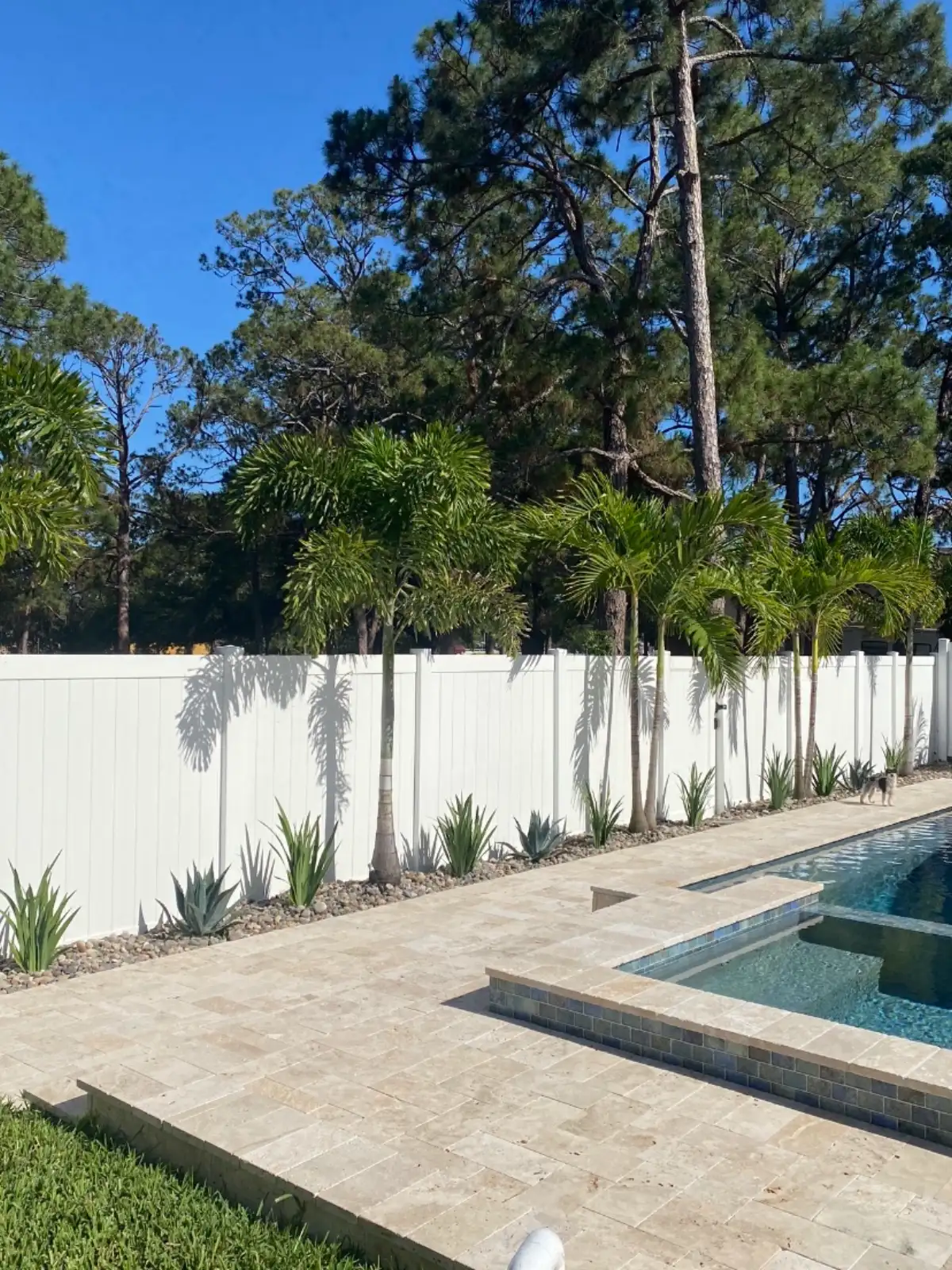
A well-designed Florida xeriscape includes ornamental grasses like muhly grass that bloom spectacular pink clouds in fall. Shrubs like Simpson stopper and Walter viburnum provide year-round green structure. Flowering plants like firebush and wild petunia provide continuous color. Ground covers like perennial peanut carpet open areas without needing mowing or heavy watering.
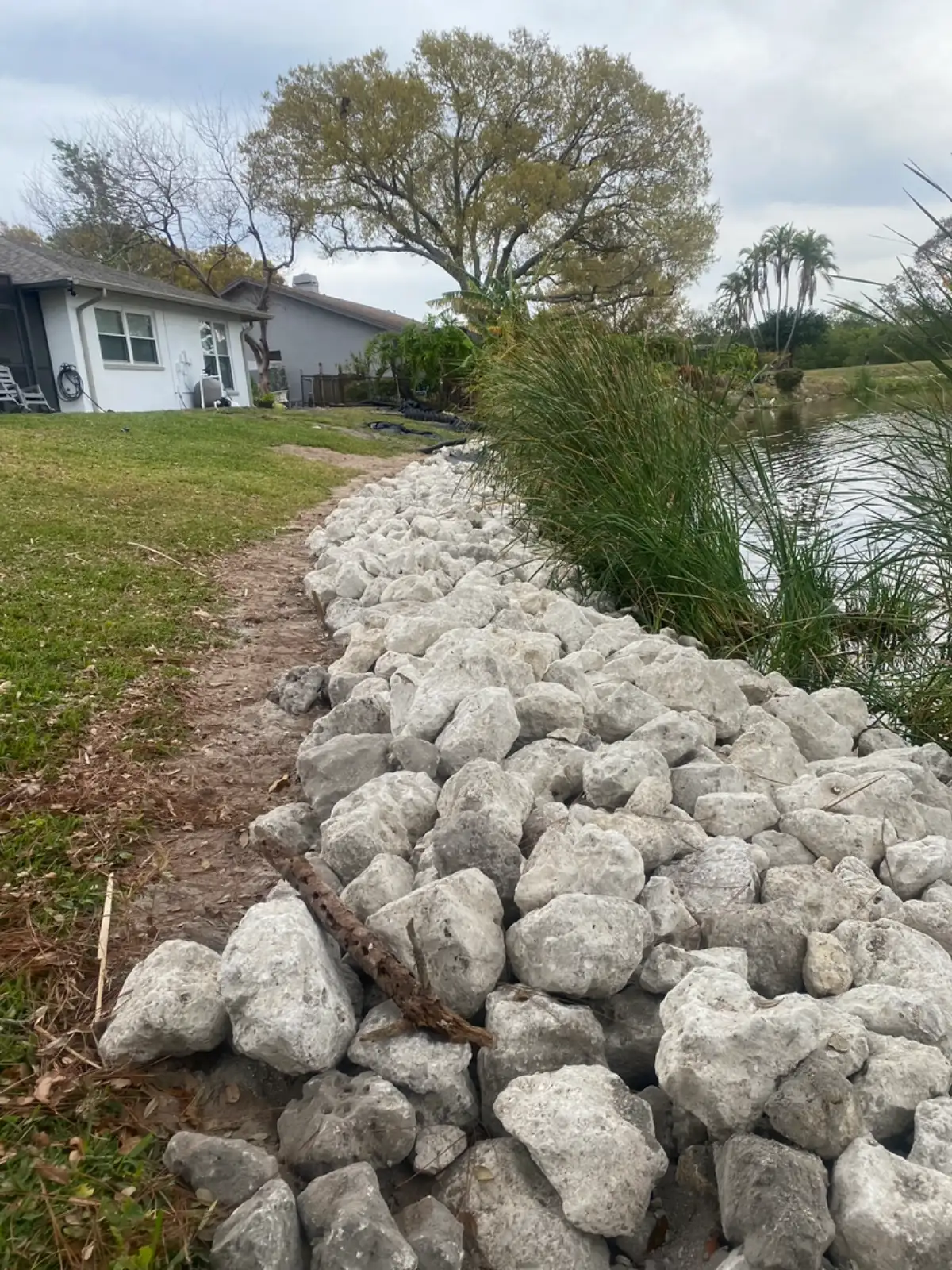
Between the plantings, decorative rock covers exposed soil. River rock, Mexican beach pebble, crushed shell, or Florida limestone create texture and visual contrast. Rock does not decompose, does not wash away in rain (when properly installed on fabric), and never needs refreshing like mulch does.
Why Xeriscaping Works Better in St. Petersburg Than Almost Anywhere
St. Petersburg averages 51 inches of rain per year -- most of it concentrated between June and September during afternoon thunderstorms. That natural rainfall is more than enough to sustain Florida-native plants that evolved in this exact climate. The problem is not water availability -- it is timing. Traditional lawns need consistent irrigation during the dry season (October through May), when SWFWMD restricts watering to twice per week. Xeriscaped landscapes handle this dry stretch without supplemental irrigation because their root systems are adapted to Florida's seasonal drought cycle.
Pinellas County's sandy soil is another advantage for xeriscaping. Sandy substrate drains rapidly, which drowns shallow-rooted non-native plants but suits deep-rooted natives perfectly. Species like coontie (Zamia integrifolia), saw palmetto, and Florida privet send roots 2 to 4 feet deep into sand, accessing moisture that turf grass roots at 4 to 6 inches never reach. This means your xeriscape pulls water from a reservoir your neighbors' St. Augustine lawn cannot touch.
Salt tolerance is the third factor. Properties within 3 miles of the Gulf and Tampa Bay face airborne salt spray that burns non-native ornamentals. Florida-native xeriscape plants -- sea grape, beach sunflower, dune sunflower, and muhly grass -- evolved under these exact conditions. They do not just survive salt exposure; they thrive in it. That makes xeriscaping especially practical for barrier island properties on Treasure Island, St. Pete Beach, and the Gulf-side neighborhoods of Gulfport.

Florida-Native Plants We Use in St. Petersburg Xeriscapes
Every plant is sourced from Florida nurseries and selected for Pinellas County's USDA Zone 10a conditions.
Muhly Grass
Muhlenbergia capillaris. 3 to 4 feet tall. Spectacular pink flower plumes from October through December. Full sun, zero supplemental irrigation after establishment. Salt tolerant. The signature plant of Florida xeriscaping -- a single row of muhly grass replaces an entire hedge of clipped shrubs with no maintenance.
Coontie
Zamia integrifolia. Florida's only native cycad. Evergreen, 2 to 3 feet tall, thrives in shade or sun. Handles sandy soil and salt spray. Deep root system makes it virtually drought-proof. Grows slowly but lives for decades with zero maintenance. Host plant for the rare Atala butterfly.
Firebush
Hamelia patens. Semi-evergreen shrub, 6 to 8 feet tall if unpruned. Continuous red-orange tubular flowers from spring through fall. Attracts hummingbirds and butterflies. Full sun, drought tolerant after 3 months of establishment. Native Florida variety stays manageable; avoid the larger dwarf cultivar.
Blue Daze
Evolvulus glomeratus. Low-growing ground cover, 12 to 18 inches. Sky-blue flowers every morning. Full sun, sandy soil. Spreads to fill gaps between rock areas. Salt tolerant. Replaces traditional turf grass in areas where foot traffic is minimal.
Perennial Peanut
Arachis glabrata. The best turf grass alternative for Florida xeriscaping. Yellow flowers, 6 inches tall, spreads by rhizomes. Zero mowing, zero fertilizer, minimal water. Fixes nitrogen in the soil. Handles light foot traffic. Takes 1 to 2 seasons to fill in completely but is virtually maintenance-free once established.
Simpson Stopper
Myrcianthes fragrans. Native evergreen tree/large shrub, 10 to 20 feet. Fragrant white flowers followed by small edible berries. Salt tolerant, drought tolerant, attracts birds. Excellent for screening and privacy without the water demands of non-native hedges like Ficus or Podocarpus.
Stop Paying to Keep a Lawn Alive That Wants to Die Every Summer
Florida-friendly xeriscaping that looks lush, uses less water, and requires less work. Free design consultations across St. Petersburg and Pinellas County.
Request a Free EstimateXeriscaping Questions
$3,000-$15,000 depending on scope. Front yard conversion: $3,000-$6,000. Full property xeriscape: $8,000-$15,000. Includes grass removal, weed barrier, rock/mulch, plants, and irrigation modification.
Not in Florida. We use lush subtropical natives -- muhly grass, firebush, coontie, blue daze. The result looks tropical and full, with decorative rock adding texture between planting areas.
50-70% less irrigation water than traditional lawns. Most xeriscaped properties reduce to once-per-week or rainfall-only watering after establishment. Saves $30-$60/month on summer water bills.
Florida law (Section 373.185) prohibits HOAs from banning Florida-friendly landscaping. They can require a submitted plan but cannot reject properly designed xeriscape. We design to meet both water goals and aesthetic standards.
Front yard: 2-3 days. Full property: 4-7 days. Includes grass removal, grading, weed barrier, rock, plants, and irrigation modification.
Build Your Low-Maintenance Yard

Decorative Rock
River rock, Mexican beach pebble, crushed shell, and limestone for ground cover that never needs mowing or refreshing.
Learn More →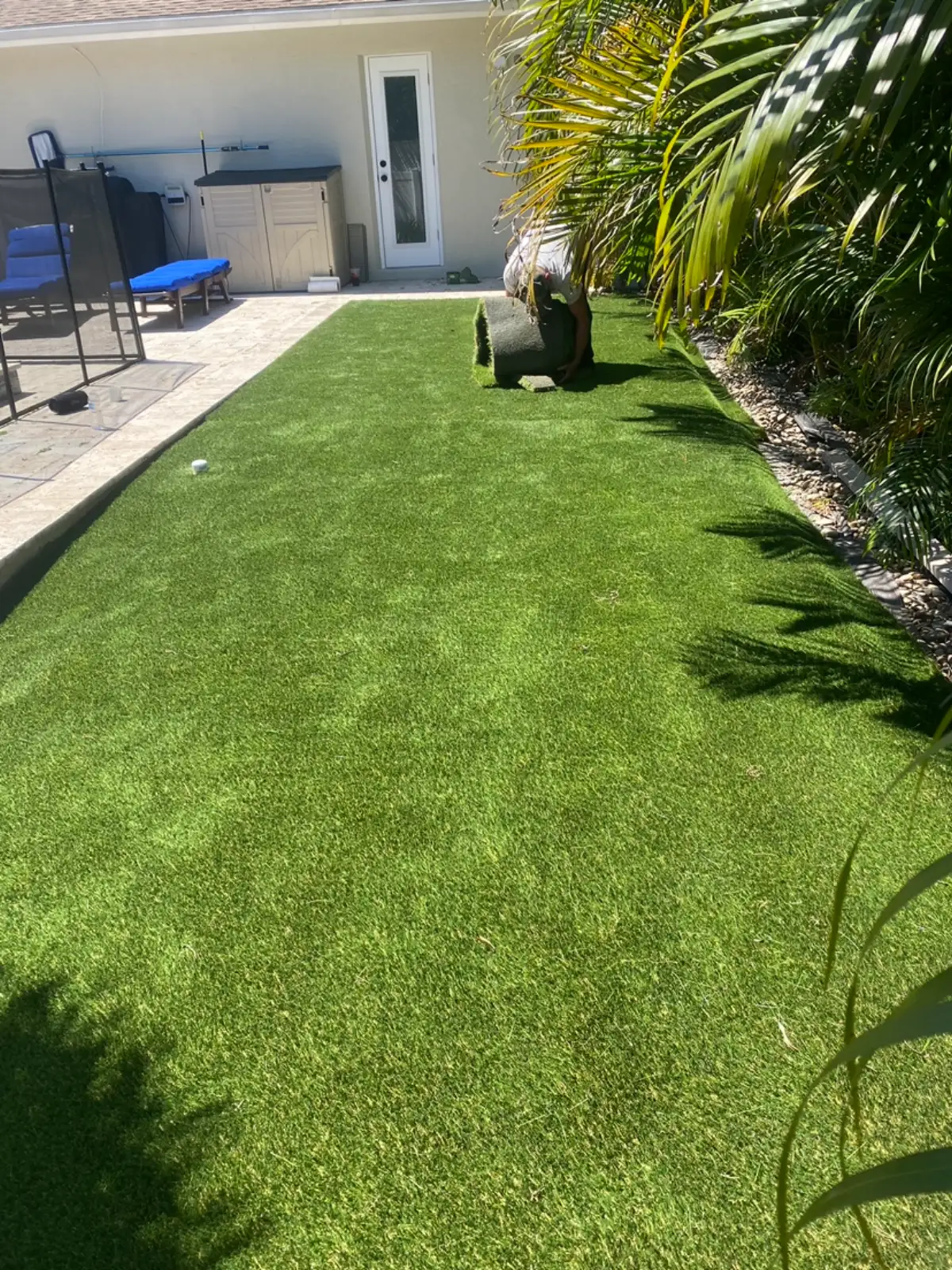
Artificial Turf
Zero-water turf alternative for areas where you want a green lawn look without any irrigation or mowing.
Learn More →
Landscape Design
Full-property design that blends xeriscape zones with traditional areas for a balanced, water-efficient yard.
Learn More →