
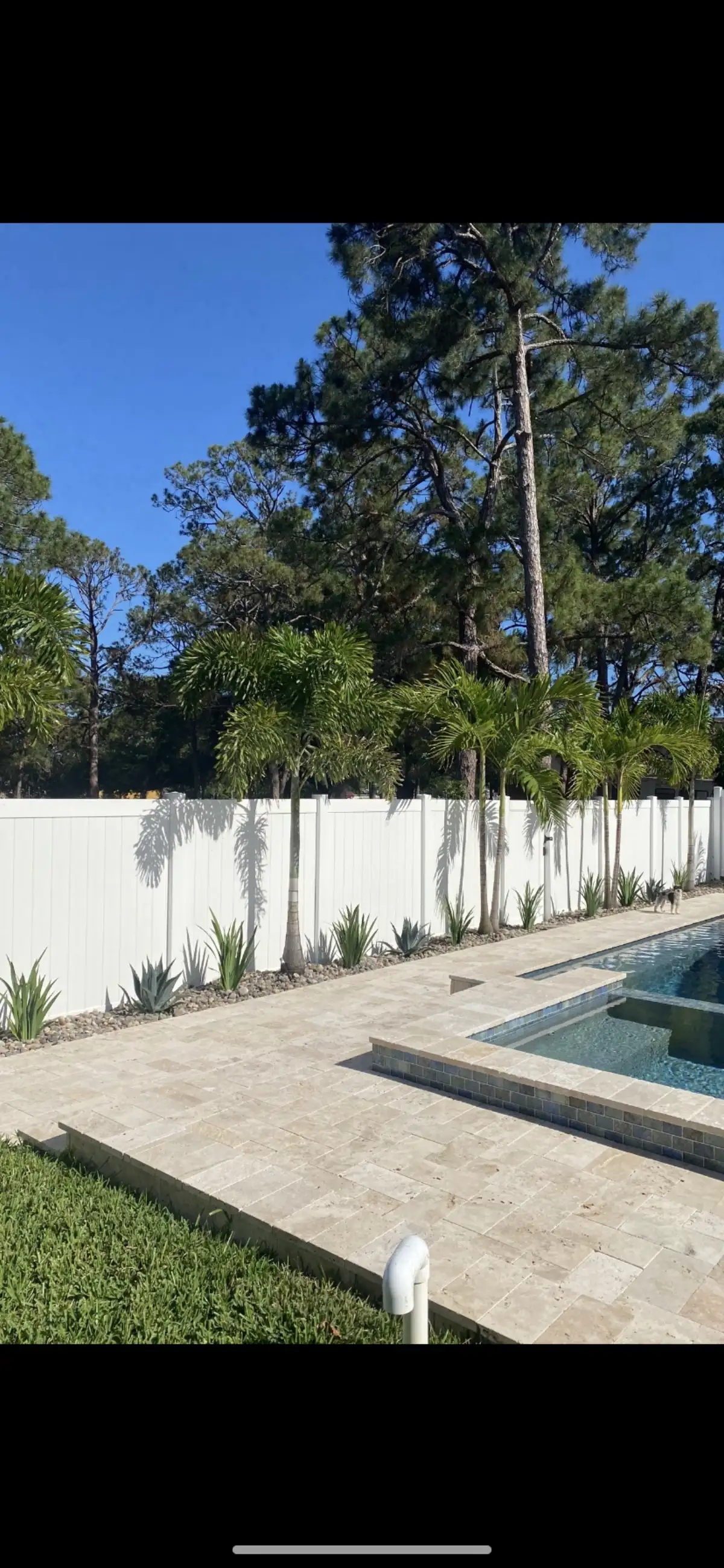
Published by Hound Dog Landscaping LLC
Before booking a landscaper in St. Petersburg, ask how they plan for sandy soil, drainage, irrigation limits, salt exposure, access, and project sequencing. Those details matter more here than a generic plant list or a quick square-foot price. A yard can look finished on installation day and still fail if the prep work ignores Florida conditions.
The best landscaping conversations are specific instead of generic. A useful first call should answer what homeowners actually need to know before they approve work, especially when the project may combine sod installation, sprinkler installation, drainage solutions, landscape design, artificial turf, or hardscaping and pavers.
1. What Problem Are You Solving First?
A good landscaping estimate starts with the reason the current yard is not working. Is the lawn thin because the irrigation coverage is poor? Are the beds washing out because water has nowhere to go? Is the side yard bare because it is shaded, salty, compacted, or used heavily by pets? If the answer is not clear, the finished project may only cover up the problem for a short time.
St. Petersburg properties often need a sequence: grading before sod, drainage before pavers, irrigation repairs before planting, and soil prep before any turf is installed. Ask the landscaper to explain the order of work. The answer should be specific enough that you understand why each step happens before the next one.
2. How Will the Estimate Handle Florida Soil and Drainage?
Pinellas County yards can change quickly from sandy, fast-draining areas to low spots that hold water after a thunderstorm. Both conditions affect landscaping. Sandy soil may need amendments and careful watering during sod establishment. Low areas may need regrading, a swale, catch basin, French drain, or another drainage path before new materials go in.
Ask whether the estimate includes grading, disposal of old material, soil amendments, compaction, and drainage work where needed. These are not small details. They affect how long the lawn roots, how stable a patio stays, and whether planting beds remain in place after summer rain.
3. Should Irrigation Be Repaired Before Landscaping?
Usually, yes. A new lawn or planting bed depends on even water coverage, especially during establishment. If sprinkler heads are broken, zones are mismatched, pressure is low, or the controller is set incorrectly, the new work starts with a disadvantage. For many projects, a quick irrigation inspection prevents avoidable damage later.
For St. Petersburg homeowners planning new sod, ask whether the quote includes checking heads, coverage, valves, and controller scheduling. If the system is older or already unreliable, review irrigation repair options before installing new material. If the yard is being redesigned from scratch, a new sprinkler installation plan may make more sense than patching an old layout.
4. Is Sod, Turf, or a Mixed Yard the Better Fit?
Not every yard should be treated the same way. Natural sod can be the right choice for open, sunny lawn areas where irrigation and soil prep are solid. Artificial turf may be better for dog runs, small side yards, heavy-use areas, or spots where shade and foot traffic keep natural grass from recovering. Xeriscaping and decorative rock can reduce watering needs in areas that do not need to function as lawn.
Ask your landscaper to explain the tradeoffs instead of pushing one material for every part of the property. A practical plan may combine fresh sod in the front yard, artificial turf in a pet area, decorative rock around utility zones, and Florida-friendly plantings in beds.
5. What Happens Around Pavers, Retaining Walls, and Hardscape Edges?
Hardscape work changes the way water moves through a property. A new patio, walkway, driveway, retaining wall, or seating wall should be planned with base depth, edge restraint, elevation, and drainage in mind. In St. Petersburg, sandy substrate and heavy rain make base preparation especially important.
If your project includes paver installation, retaining walls, or broader hardscape installation, ask what base material will be used, how compaction will be handled, where runoff will go, and whether nearby sod or beds need protection. If the property is waterfront or erosion-prone, also ask whether erosion control or sea wall concerns affect the scope.
6. How Do Service Area Conditions Change the Plan?
A yard in central St. Petersburg does not always need the same plan as a Gulf Beaches property or a larger Pinellas County lot. Salt exposure, access, shade, drainage, HOA expectations, and wind exposure all affect material choices. The site visit and estimate should account for the conditions that are visible on your property.
Hound Dog Landscaping LLC serves St. Petersburg, Pinellas County, and the Gulf Beaches, including nearby communities such as Clearwater, Largo, Seminole, Gulfport, and Treasure Island. Wherever the property is located, the plan should account for its access, exposure, shade, drainage, and maintenance needs.
7. What Should Be Written Into the Scope?
A written scope should name the work, materials, prep, disposal, cleanup, and basic timing. For sod, that may include old turf removal, grading, soil prep, grass type, delivery, installation, and watering guidance. For irrigation, it may include zones, heads, valves, controller work, repairs, and testing. For pavers, it should include excavation, base, compaction, edge restraint, paver type, joint sand, and cleanup.
When comparing estimates, do not look only at the total. A lower number can be fair if the scope is smaller, but it can also mean important prep is missing. Ask what is excluded, what could change the price, and what the homeowner needs to do before the crew arrives.
8. What Questions Should You Ask on the First Call?
- Do you handle the full project, or will I need separate contractors for irrigation, hardscape, drainage, or fencing?
- Can you evaluate drainage and irrigation before recommending sod or planting changes?
- What photos or measurements should I send before the estimate?
- How do you handle access if equipment cannot reach the work area directly?
- What care instructions will I receive after sod, turf, plants, or hardscape are installed?
- Will the estimate separate must-do prep work from optional upgrades?
Those questions keep the conversation focused. They also help you avoid a quote that sounds simple but leaves you responsible for critical work after the project starts.
FAQ: Booking a St. Petersburg Landscaper
Ask how the landscaper will handle sandy soil, drainage, irrigation coverage, salt exposure, project access, cleanup, and care instructions. For St. Petersburg yards, the preparation details often matter as much as the plants, sod, turf, or pavers.
Yes. New sod needs consistent water during establishment. Broken heads, poor coverage, valve problems, or incorrect controller settings can cause weak rooting and dry patches. It is usually cleaner and less expensive to fix irrigation before new sod is installed.
Compare the written scope, not just the price. Look for prep work, materials, grading, drainage, disposal, irrigation adjustments, cleanup, and post-install care. If one estimate is much cheaper, ask what is excluded.
Yes. Hound Dog Landscaping LLC provides full-service landscaping work including sod, irrigation, drainage, landscape design, artificial turf, hardscaping, retaining walls, fencing, and related services. Combining related work can reduce coordination problems and help the project follow the right sequence.
Ready to Talk Through Your Yard?
Bring your questions, photos, and goals. Hound Dog Landscaping LLC can help you decide what needs to happen first and what can wait. Call 757-634-6562 or request a free estimate online.