
Published by Hound Dog Landscaping LLC
Before booking a landscaper in St. Petersburg, ask questions that reveal how the project will handle soil, water, timing, access, and long-term care. A polished drawing or a quick price can be helpful, but Florida yards fail when the hidden planning gets skipped. Sandy soil, salt air, afternoon storms, irrigation limits, and tight side-yard access all affect what should be installed and in what order.
A general landscaper in St. Petersburg may need to coordinate sod installation, sprinkler work, drainage solutions, landscape design, artificial turf, hardscape, erosion control, sea walls, or retaining walls. The right questions make the estimate clearer and help you avoid paying twice to fix preventable problems.
Start With the Yard Problem, Not the Product
Many landscaping calls begin with a product request: new sod, a paver patio, artificial turf, a cleaner planting bed, or a sprinkler upgrade. The better first question is, "What is making the yard hard to use right now?" Thin turf, flooded beds, muddy pet areas, cracked paver edges, and high water bills can all point to different root causes.
Ask the landscaper how they diagnose the existing condition before recommending materials. If a lawn died because irrigation coverage is uneven, replacing the grass alone will not solve the problem. If a patio area stays wet after storms, pavers should not be installed until grading and drainage have been considered. If a side yard is shaded, narrow, salty, and used by dogs, natural grass may be less practical than turf, rock, or a mixed material plan.
Ask How the Estimate Handles St. Petersburg Soil
St. Petersburg and Pinellas County properties often have sandy soil that drains fast but does not always hold nutrients well. Other spots hold water after heavy rain because the grade is low, the soil is compacted, or nearby hardscape has changed runoff patterns. A landscaper should be able to explain what prep is included before plants, sod, turf, pavers, or walls go in.
Good estimate questions include: Will old material be removed? Will low areas be adjusted? Is soil amendment included where plants or sod need it? Does the quote include disposal? Will the crew protect nearby irrigation, utilities, fences, and existing hardscape? These details are not cosmetic. They influence how well the project performs after a hot month, a rainy week, or a season of regular use.
Confirm Irrigation Before New Sod or Planting Beds
New landscaping depends on water coverage during establishment. If a sprinkler head is clogged, a valve is weak, a controller is misprogrammed, or a zone misses part of the yard, new sod and plants can struggle before they ever have a chance to root. That is why irrigation should be discussed early, not after the fresh work is already installed.
For a lawn replacement, ask whether the estimate includes checking sprinkler heads, coverage, water pressure, controller settings, and watering instructions. If the system is older, the better path may be irrigation repair before sod. If the yard is being redesigned, a new sprinkler layout may be better than trying to force old zones to serve new bed shapes, turf areas, and hardscape edges.
Ask What Changes When Drainage Is Part of the Project
Drainage is one of the biggest differences between a simple cleanup and a durable landscape renovation. Summer storms can expose problems quickly: mulch floating into the street, water against the house, rutting near downspouts, paver joints washing out, or soggy spots where grass never recovers. A landscaper should identify whether the yard needs grading, a swale, catch basin, French drain, decorative rock, erosion control, or another practical route for water.
If your project includes a patio, walkway, retaining wall, sea wall, or large bed installation, ask where water will go after the work is complete. Hard surfaces and walls can redirect runoff. Planting beds can slow water in one area and send it somewhere else. The estimate should account for those changes instead of treating drainage as a separate afterthought.
Compare Sod, Turf, Rock, and Planting Areas by Use
A reliable landscape plan does not use one material everywhere. Open sunny areas may be a good fit for natural sod. Small high-traffic areas may be better for artificial turf. Utility strips and low-maintenance zones may work better with decorative rock. Front beds may need Florida-friendly plants that can handle the site conditions instead of a generic nursery list.
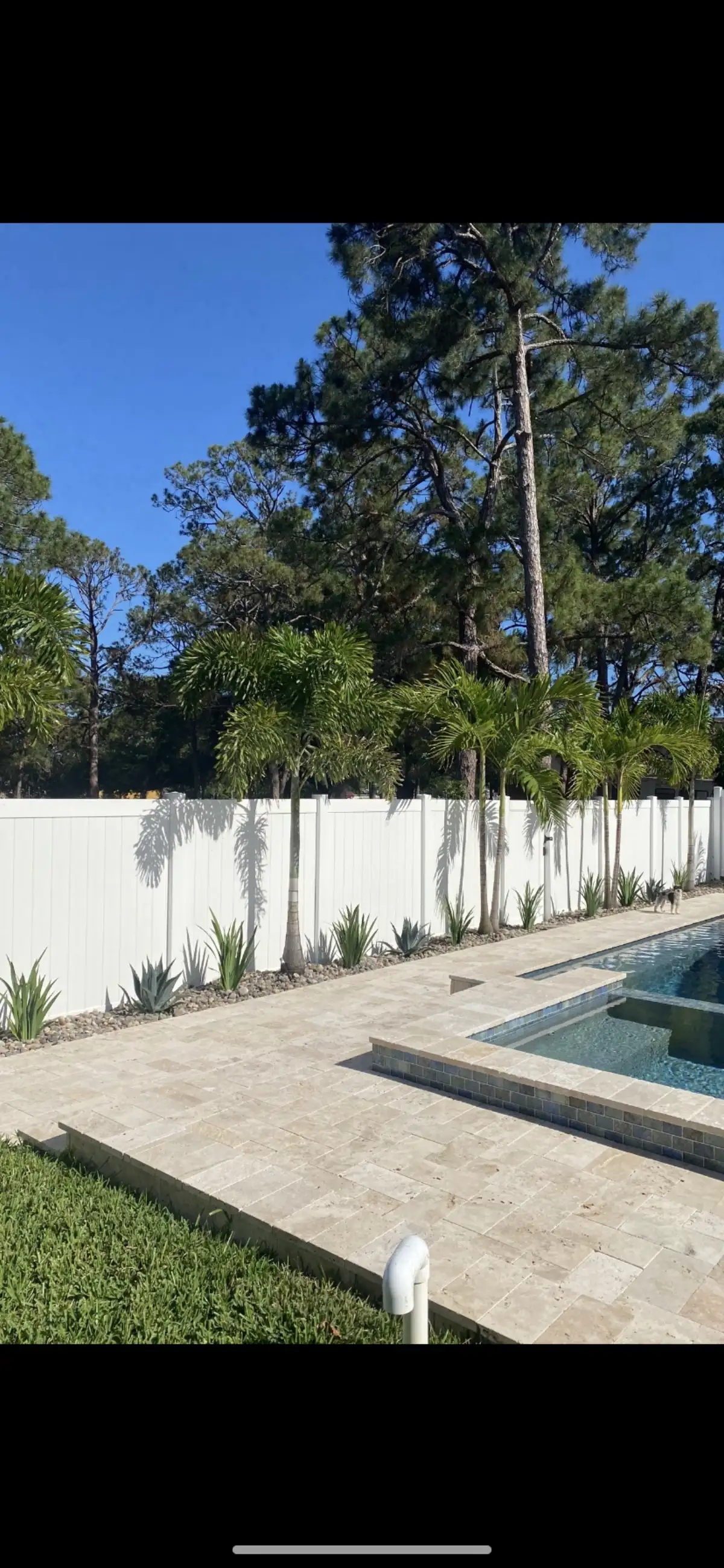
Ask the landscaper to explain why each material belongs in each part of the property. For example, a St. Petersburg homeowner might use sod installation for curb appeal, artificial turf for a pet area, decorative rock installation beside a fence, and landscape bed installation around the front entry. That mixed approach often performs better than forcing natural grass into every square foot.
Look Closely at Hardscape Prep and Edges
Pavers, patios, retaining walls, and other hardscape work depend on preparation. Base depth, compaction, edge restraint, elevation, joint material, drainage, and cleanup all matter. In sandy areas, a weak base can settle. Around lawns and planting beds, poor edge planning can leave a messy transition that is hard to maintain.
If you are comparing paver installation, hardscape, or retaining wall estimates, ask what is included below the finished surface. A clear answer should cover excavation, base material, compaction, edge control, runoff, access, and how nearby sod or beds will be restored. For waterfront or erosion-prone properties, ask whether the project should also be reviewed with sea wall or erosion control needs in mind.
Ask Whether One Crew Can Sequence the Whole Job
Many yard projects combine services. A backyard renovation might need dirt work, drainage, irrigation, pavers, sod, planting beds, and fencing. If separate contractors are handling each part without coordination, the homeowner can end up managing the sequence: one crew cuts through another crew's work, drainage gets discovered late, or irrigation trenching happens after fresh sod is down.
Ask who is responsible for the order of work. The answer should make sense: dirt work and drainage before finish surfaces, irrigation before sod and plants, hardscape base work before edges are dressed, and final cleanup after equipment is out. Hound Dog Landscaping LLC offers connected services across landscaping, irrigation, turf, hardscaping, walls, fencing, and related yard work, which helps homeowners keep the plan under one clear scope.
Match the Plan to Local Yard Conditions
A good landscaper should recognize the common planning factors for the service area and then confirm what is happening on your property. A compact St. Petersburg lot may have tight access and close property lines. A Gulf Beaches property may need more attention to salt exposure, wind, and sand. A larger Pinellas County property may require clearer phasing, material staging, and irrigation zone planning.
Hound Dog Landscaping LLC serves St. Petersburg, Pinellas County, and the Gulf Beaches. The same service may be planned differently depending on the lot, access, exposure, shade, and drainage. If you are outside those core areas, the service areas page lists the best way to check address availability before requesting an estimate.
What Should Be Written Into a Landscaping Scope?
A useful written scope should describe the work, materials, prep, exclusions, disposal, rough timing, and cleanup expectations. For sod, that may include removal, grading, soil prep, grass type, delivery, installation, and watering guidance. For irrigation, it may include zones, heads, valves, controller work, repair items, and testing. For pavers, it should include excavation, base, compaction, paver type, edge restraint, joint material, and final cleanup.
Ask what could change the price after the estimate. Hidden roots, inaccessible areas, buried debris, drainage surprises, or scope additions can affect cost. A good conversation does not have to predict every possible issue, but it should identify the conditions that matter before work starts.
First-Call Questions to Keep Handy
- Can you evaluate drainage and irrigation before recommending sod, turf, beds, or pavers?
- What photos, measurements, gate details, or pet notes should I send before the estimate?
- Will the quote separate must-do prep work from optional upgrades?
- Who is responsible for sequencing irrigation, drainage, hardscape, and finish landscaping?
- What maintenance or watering instructions will I receive after installation?
- Are there parts of the yard where another material would perform better than grass?
These questions make it easier to compare landscapers fairly. They also help the estimate focus on the conditions that actually decide whether the finished yard will hold up.
FAQ: Booking a St. Petersburg Landscaper
Ask how the landscaper evaluates sandy soil, drainage, irrigation coverage, salt exposure, access, work sequencing, cleanup, and care instructions. For St. Petersburg yards, prep and water planning often matter as much as the finished material.
Yes. New sod and plants need reliable water during establishment. Broken heads, poor coverage, low pressure, valve issues, or incorrect controller settings should be addressed before new material is installed.
Compare the written scope instead of only the price. Look for prep work, materials, grading, drainage, disposal, irrigation adjustments, timeline, cleanup, exclusions, and after-care instructions.
Yes. Hound Dog Landscaping LLC serves St. Petersburg, Pinellas County, and the Gulf Beaches with landscaping, sod installation, sprinkler installation, irrigation repair, drainage, turf, hardscape, walls, fencing, and related services.
Ready to Ask About Your Yard?
Send the address, photos, and the problems you want solved. Hound Dog Landscaping LLC can help you sort out what should happen first and what belongs in the estimate. Call 757-634-6562 or request a free estimate online.