
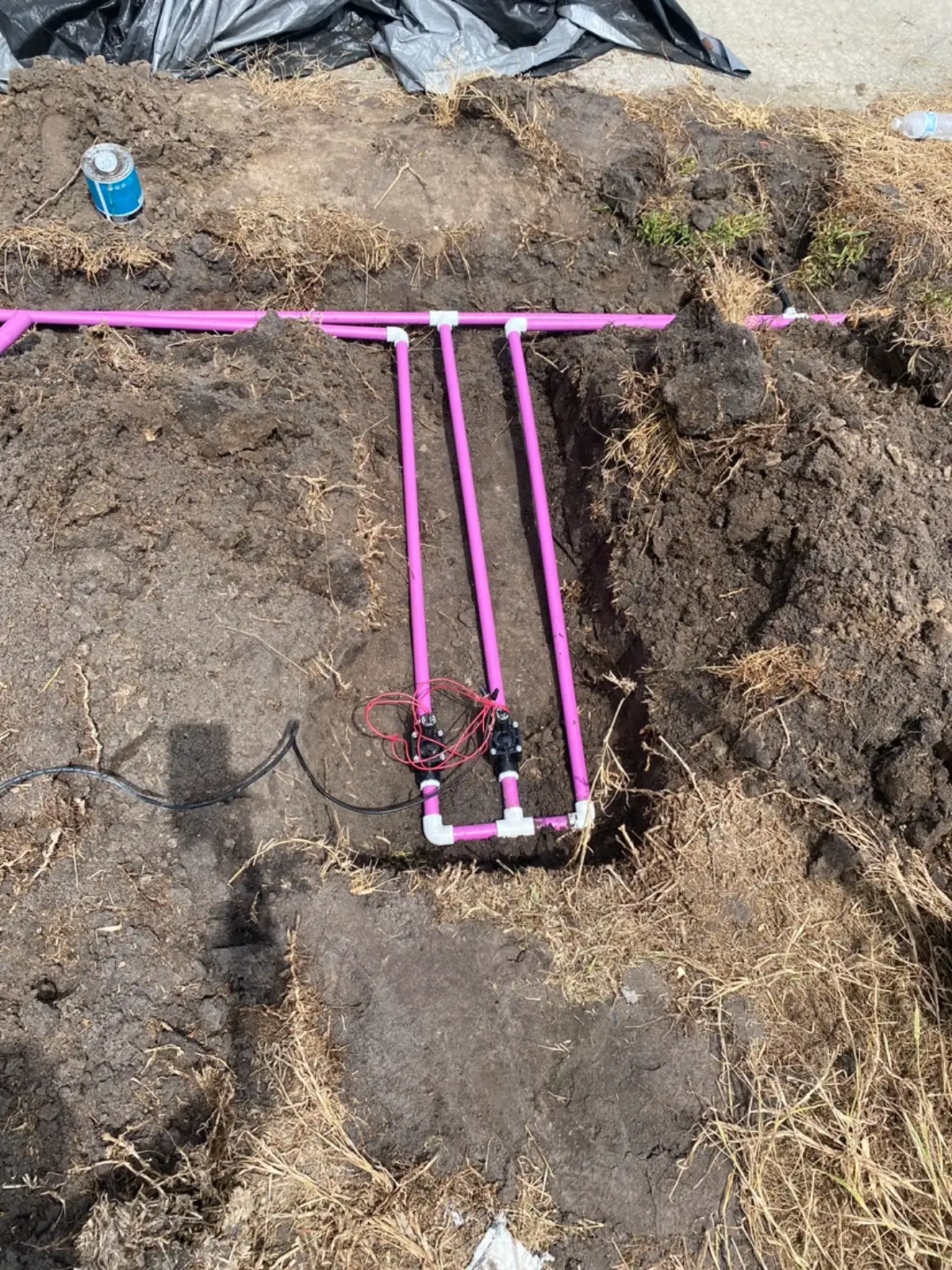
A sprinkler estimate should begin with the property, not a standard package. St. Petersburg yards can combine full-sun lawn, deep shade, planting beds, narrow side access, pool decks, mature roots, sandy soil, and low areas within a single lot. Those spaces do not all need water delivered the same way.
Before booking a sprinkler installation, ask how the proposed system fits the yard you have now and the landscaping you plan to keep or add. A clear answer helps you compare more than the bottom line.
Do I Need a New Sprinkler System or a Repair?
Start by asking what can be kept. If the existing layout still matches the lawn and beds, an irrigation repair may address broken heads, valves, wiring, leaks, controller problems, or one weak zone without replacing the full system.
A new installation may be the better fit when coverage is poor across the property, the yard has been redesigned, old zones mix areas with very different water needs, or repeated repairs still leave dry and oversprayed areas. The estimate should explain why the recommended scope is necessary rather than treating every old system as a total replacement.
How Will Zones and Coverage Be Planned?
Zone planning is what turns a group of sprinkler heads into a usable system. Ask how the layout accounts for lawn versus planting beds, sun versus shade, narrow strips, wind exposure, slopes, hardscape edges, and the available water pressure and flow.
Also ask where water should not go. Spray hitting a fence, driveway, house wall, pool deck, or street is not useful coverage. At the same time, dry corners and weak overlap can show up quickly in a new lawn. If new sod is part of the project, the sprinkler plan should be tested before the grass enters its establishment period.
What Drives the Cost of a Sprinkler Install?
Search demand shows that price is one of the first questions homeowners ask, but a useful estimate needs the site details before it can be accurate. Common cost drivers include:
- the size and shape of the areas that need irrigation;
- the number of zones and the mix of lawn, beds, and specialty areas;
- available pressure, flow, water source, and connection requirements;
- trenching around roots, pavers, fences, utilities, pool decks, and tight access;
- controller, valve, head, nozzle, sensor, or drip-line choices;
- removal, restoration, testing, and changes to an existing system.
Ask for the proposal to separate the base installation from optional upgrades or related landscape work. That makes competing estimates easier to compare and reduces surprises after digging starts.
What St. Petersburg Yard Conditions Matter?
St. Petersburg properties are not uniform. Sandy soil can drain quickly in one area while a compacted or low section stays wet after afternoon rain. Mature trees create shade and root conflicts. Coastal exposure can increase wind and salt stress. Older neighborhoods may also have irrigation layouts that no longer match additions, patios, new beds, or changed lawn areas.
A sprinkler system should apply water evenly, but it cannot correct every water problem. If rainwater collects near the house or a side yard stays soft after storms, ask whether drainage work should be evaluated separately. Irrigation scheduling should also follow current local and regional watering requirements; confirm the rules that apply to the property when the system is programmed.
What Should the Written Scope Include?
Before accepting the estimate, look for a plain description of:
- the lawn, bed, and other areas the system is intended to water;
- the proposed zones and major equipment;
- what existing components will stay, move, or be removed;
- controller work, testing, adjustment, and basic operating guidance;
- trenching, access, cleanup, and surface restoration;
- known exclusions and any separate repair, sod, drainage, or landscape work.
The scope should also match the future yard plan. Installing pavers, beds, a fence, or a different lawn after the irrigation work can change head locations and water needs. Sharing those plans during the estimate can prevent avoidable rework.
Questions to Ask Before Booking
- Which parts of my existing sprinkler system can be reused?
- How will you test pressure, flow, and coverage?
- Will lawn and planting beds be separated when their watering needs differ?
- How will the layout avoid overspray onto hardscape, fences, and the house?
- Should drainage, grading, sod, or landscape changes happen before or after the sprinkler work?
- What restoration, testing, exclusions, and owner instructions are included?
FAQ: Sprinkler Installation in St. Petersburg
A repair may be enough when the basic layout still fits the yard and the problems are limited to heads, valves, wiring, leaks, or one weak zone. A new installation may make more sense when coverage is consistently poor, the yard layout has changed, or the existing system cannot support the lawn and planting areas it needs to water.
There is no useful one-size answer. Zone count depends on yard size and shape, available pressure and flow, sprinkler type, sun and shade, plant material, and whether lawn and planting beds have different watering needs.
Usually, yes. Installing or correcting underground lines before sod avoids cutting through a new lawn and allows coverage to be tested before the grass begins its establishment period.
Not by itself. A sprinkler plan can reduce overwatering and uneven application, but standing water after storms may point to grade, runoff, or drainage problems that need a separate solution.
The estimate should identify the areas being watered, proposed zones and equipment, controller work, trenching and restoration, testing, changes to the existing system, exclusions, and any related repairs or landscape work.
Discuss Your Yard Before You Book
Hound Dog Landscaping LLC provides sprinkler installation and related yard services in St. Petersburg and across Pinellas County. Call 757-634-6562 or request a free estimate through the contact page.