Separate Turf, Beds, Sun, and Shade
Grass, ornamental beds, and narrow side yards do not need the same delivery method or runtime. Zone boundaries should reflect plant type and exposure so a shaded bed is not watered like open turf in afternoon sun.

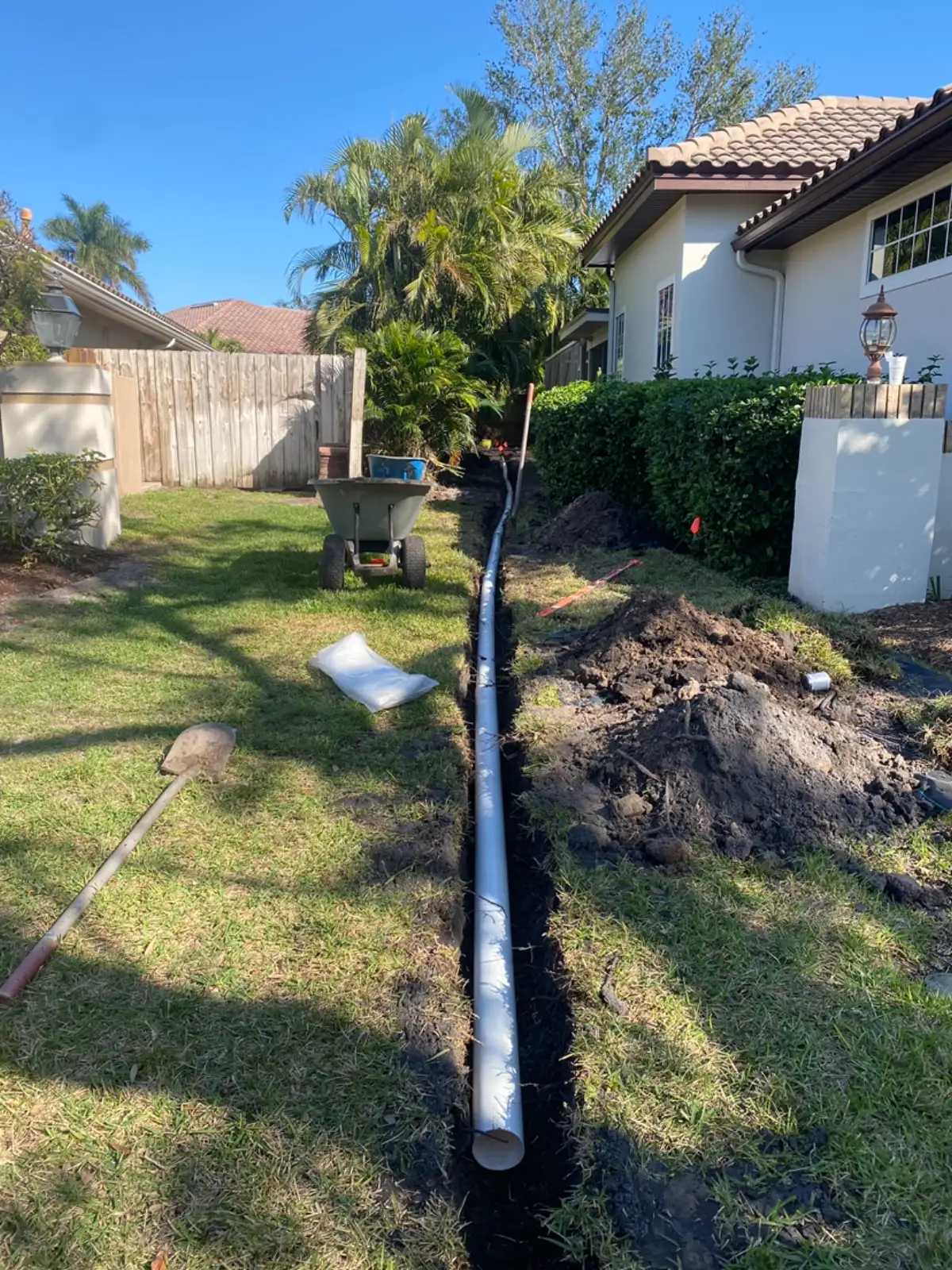
Plan lawn and landscape watering zone by zone around the property's sun, soil, grade, turf, planting beds, and existing water source.
Pinellas County is compact, but its yards are not interchangeable. An older St. Petersburg lot may have mature roots, narrow side access, and an irrigation layout that no longer matches the lawn. An inland property may combine full-sun turf with shaded beds and low areas that stay wet after summer storms. Near the Gulf Beaches, wind and salt exposure can change what is planted and how much water different areas need.
A new system should begin with the spaces that need water, not a repeated row of identical heads. Hound Dog Landscaping separates turf from planting beds, full sun from shade, and regularly wet areas from fast-drying ground. Available pressure, hardscape edges, drainage, and future landscape plans also belong in the layout before pipe routes are set.
For system-wide components and general installation details, visit our sprinkler installation service page. If the property already has a system, an irrigation repair may solve the problem without starting over.
A useful estimate connects coverage, drainage, and the finished landscape before installation begins.
Grass, ornamental beds, and narrow side yards do not need the same delivery method or runtime. Zone boundaries should reflect plant type and exposure so a shaded bed is not watered like open turf in afternoon sun.
Sandy soil can dry quickly while a nearby low pocket stays saturated after heavy rain. Head placement, application rate, and zone timing should work with those differences instead of adding more water to an existing drainage problem.
When sod or new planting is part of the project, sprinkler trenching and coverage checks should happen before finish work. That sequence protects new material and makes establishment watering easier to manage.
Pinellas landscapes move between hot, dry stretches and periods of heavy seasonal rain. A controller should not run the same routine regardless of recent weather, and the layout should not assume every square foot drains at the same rate. Rain shutoff, zone-by-zone scheduling, and careful head placement help reduce unnecessary watering and overspray onto driveways, walks, and patios.
Watering rules can depend on the property and current local restrictions. The system should be programmed for the rules in effect at the address, then adjusted as the landscape establishes and seasons change. Our Pinellas County watering-rules guide explains the local framework, while the current schedule should always guide controller settings.
These decisions matter countywide, but the balance changes by property. Mature shade in St. Petersburg, broader open lawns farther north, and Gulf-side exposure can create very different zone plans even when the lots are similar in size.
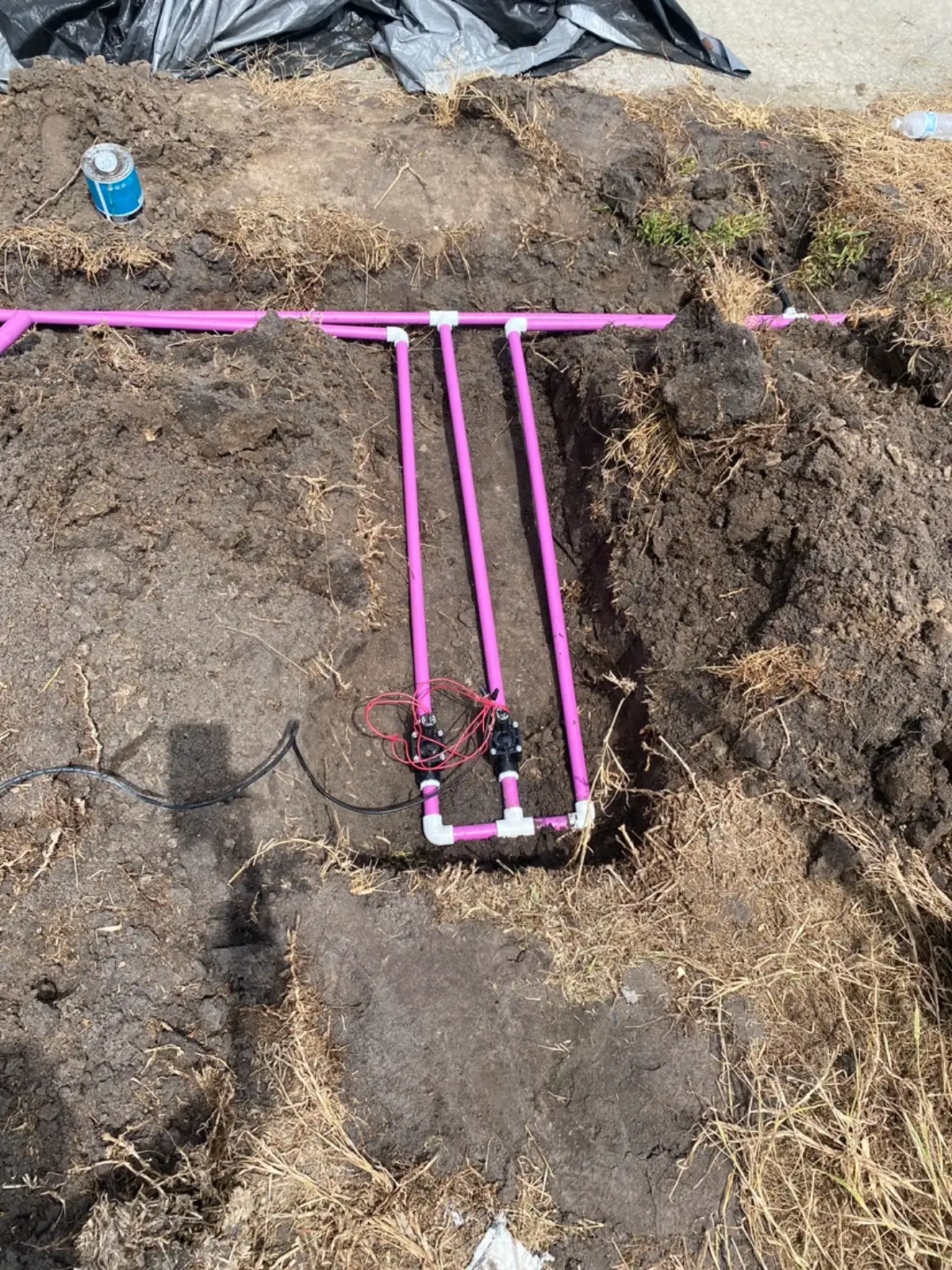
Brown strips, overspray, or one weak zone can come from a damaged head, a valve problem, poor alignment, pressure loss, or landscaping that changed after the original system was installed. When enough of the system still works, targeted repairs and new zone adjustments may be the more direct solution.
A full installation becomes more relevant when there is no existing irrigation, the remaining layout cannot cover the current landscape, or piecemeal additions would leave the property with mismatched zones and controls. The estimate should show which path fits the yard instead of assuming replacement from the first symptom.
The estimate should account for the available water source and pressure, existing irrigation components, turf and planting-bed locations, sun and shade, drainage, grade, hardscape edges, access, and the current watering rules that apply to the property.
It can. Fast-draining sandy soil and low areas that stay wet should not receive one blanket runtime. Separating zones by plant type, exposure, and drainage helps apply water where it is needed without treating every part of the yard the same.
Sprinkler and sod work should be coordinated before the lawn is finished. Completing trenching and confirming coverage first avoids cutting through newly installed sod and makes it easier to establish the lawn evenly.
Not always. Dry areas can come from damaged heads, poor alignment, pressure problems, valve issues, or zones that no longer match the landscape. An irrigation evaluation can determine whether targeted repair or a redesigned system is the better path.
Send the property address and a short description of the yard through the contact form, or call Hound Dog Landscaping at 757-634-6562. We will confirm availability before scheduling an estimate.
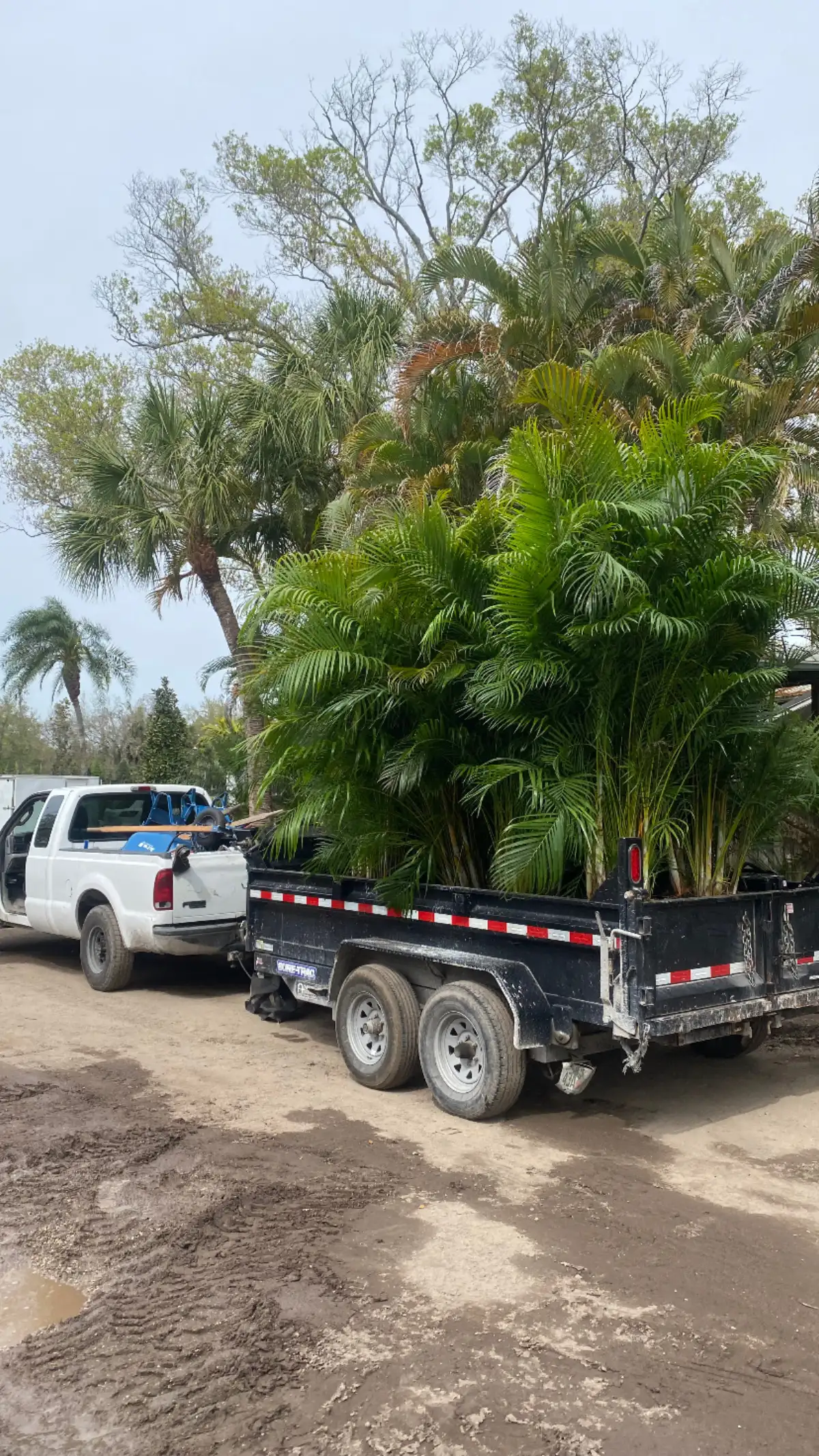
Tell us what is growing, where coverage falls short, and whether sod, beds, drainage, or hardscape changes are part of the project.
Request a Free Estimate